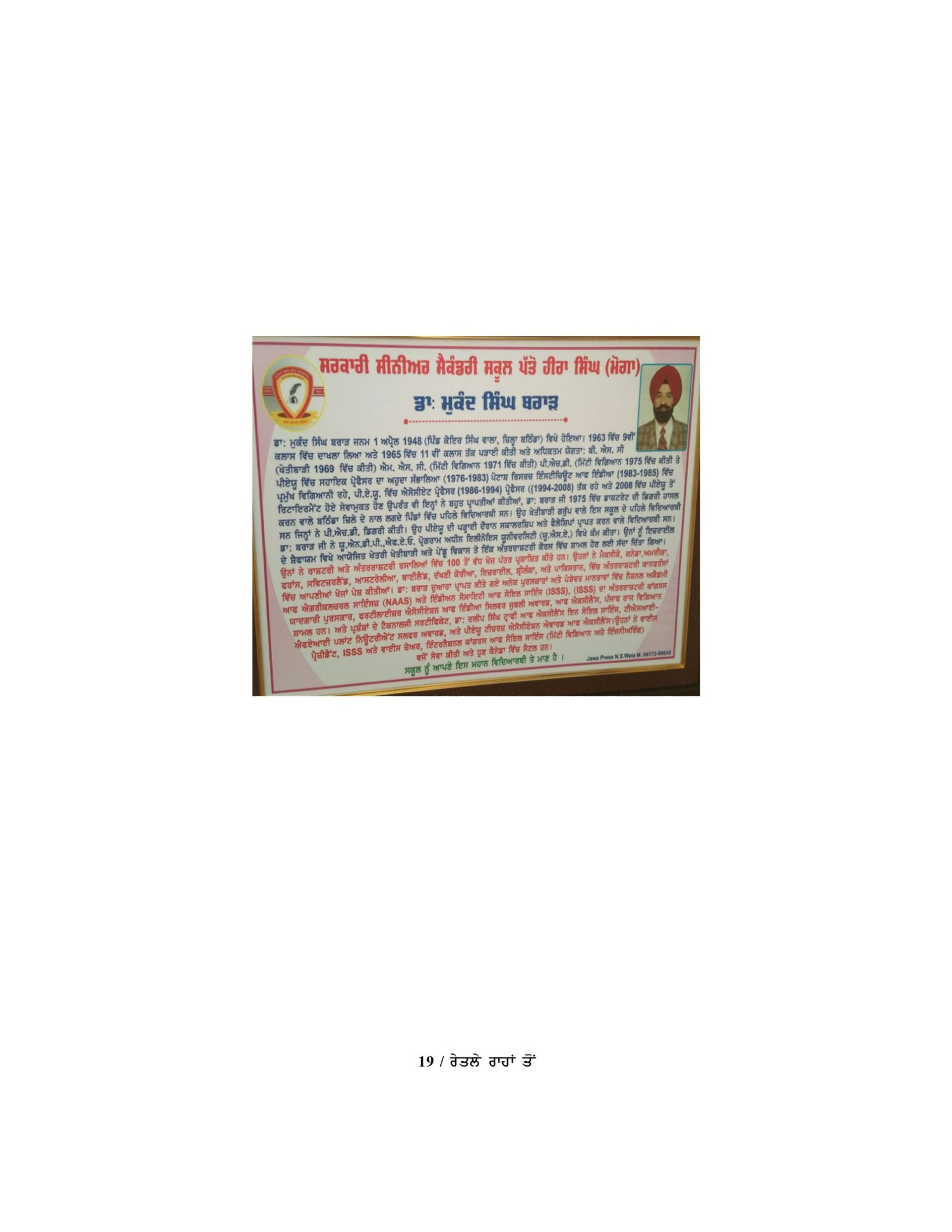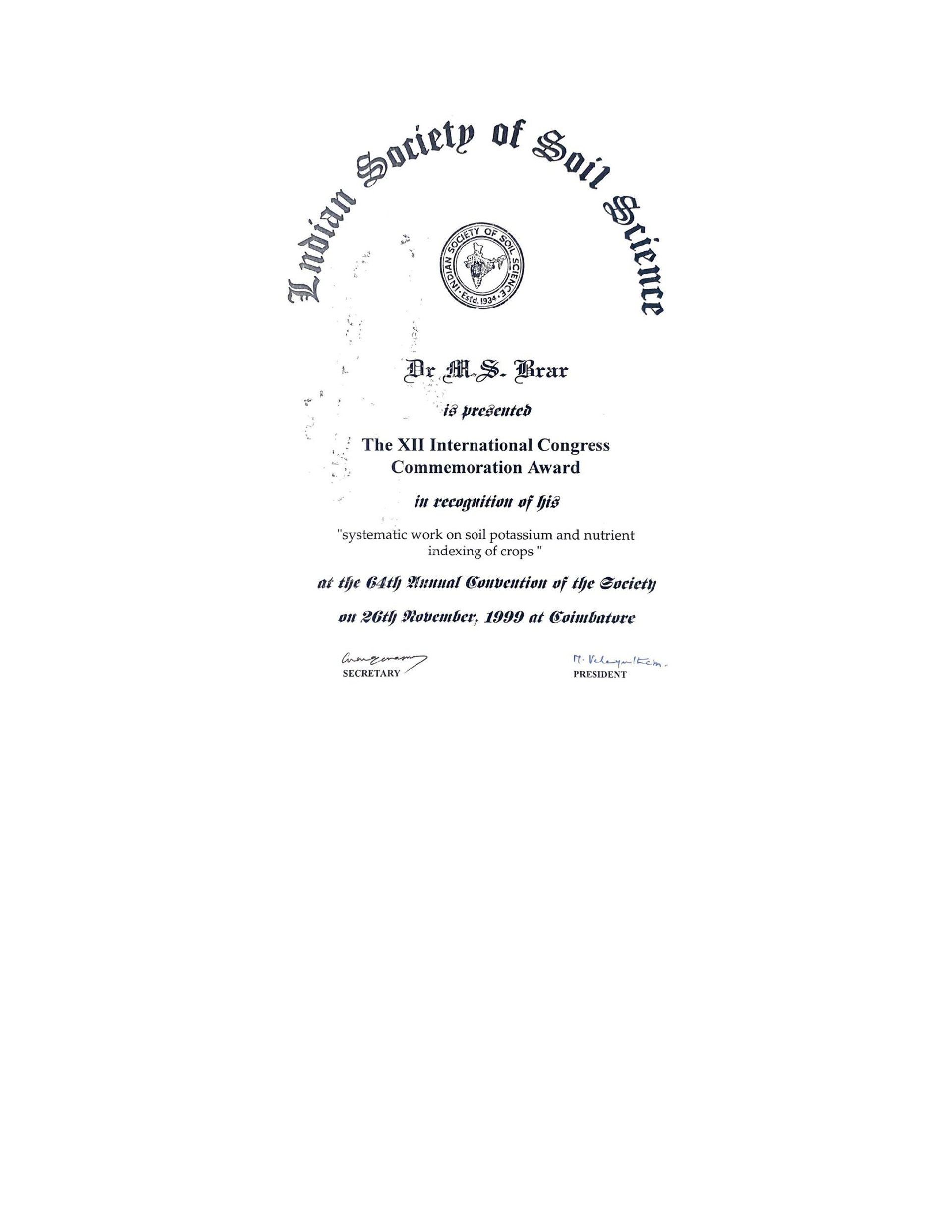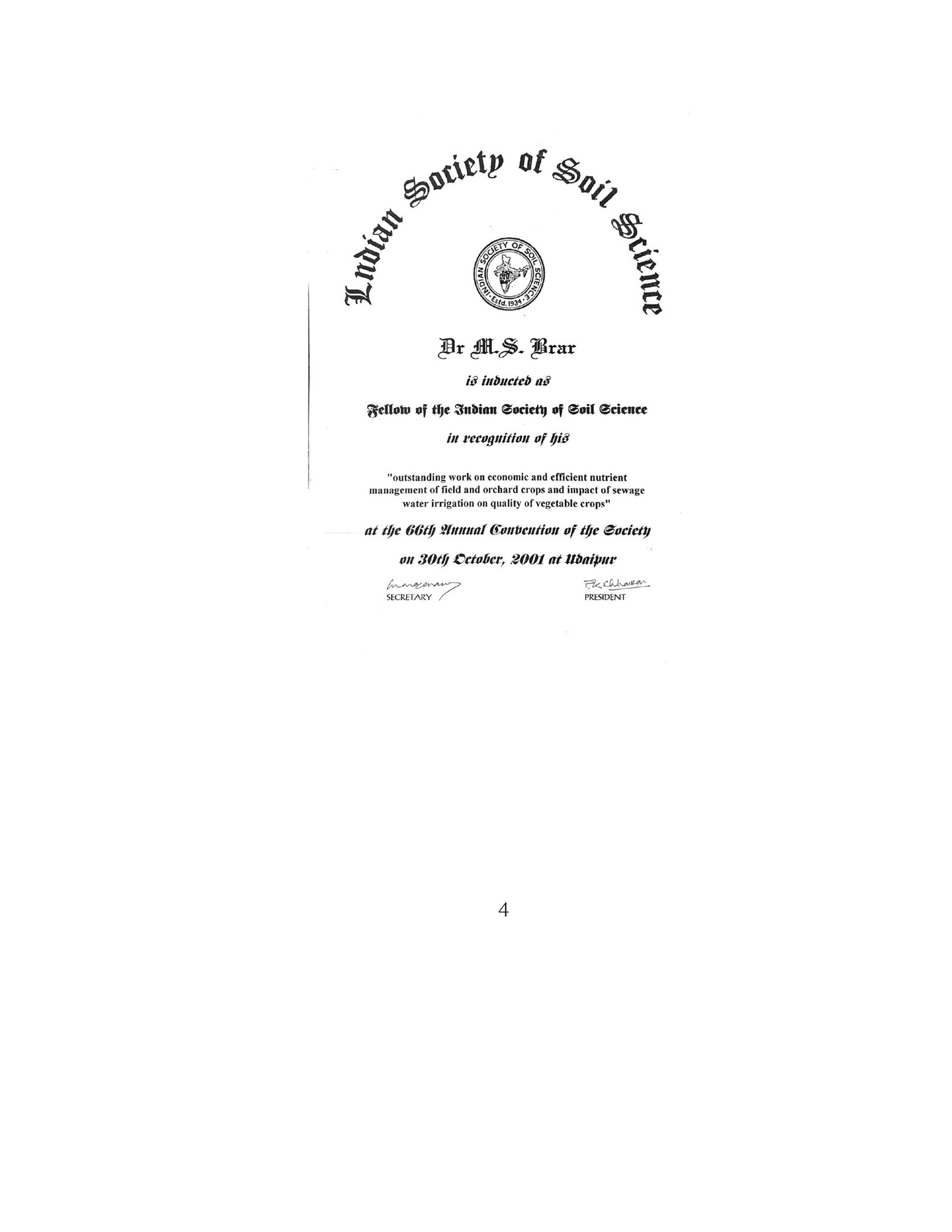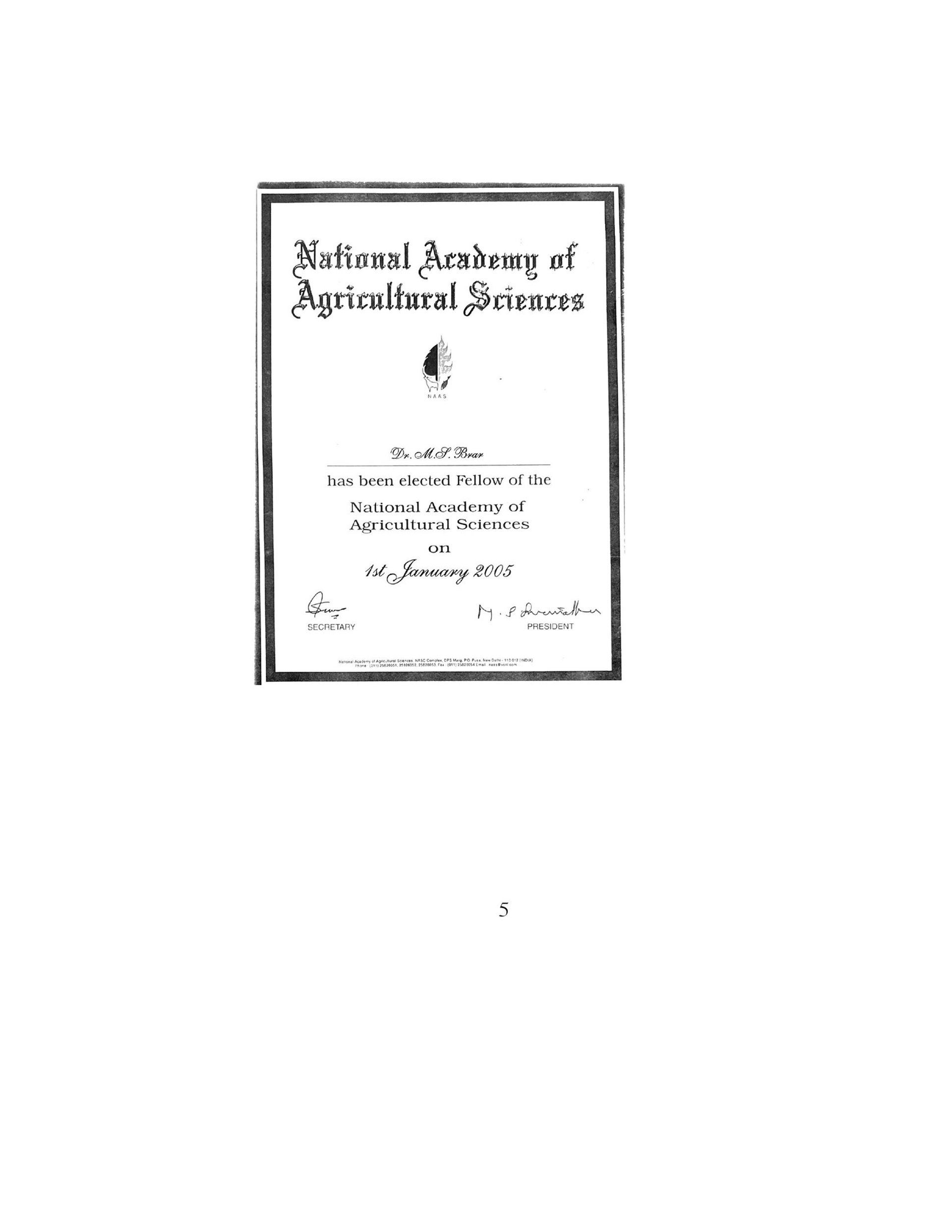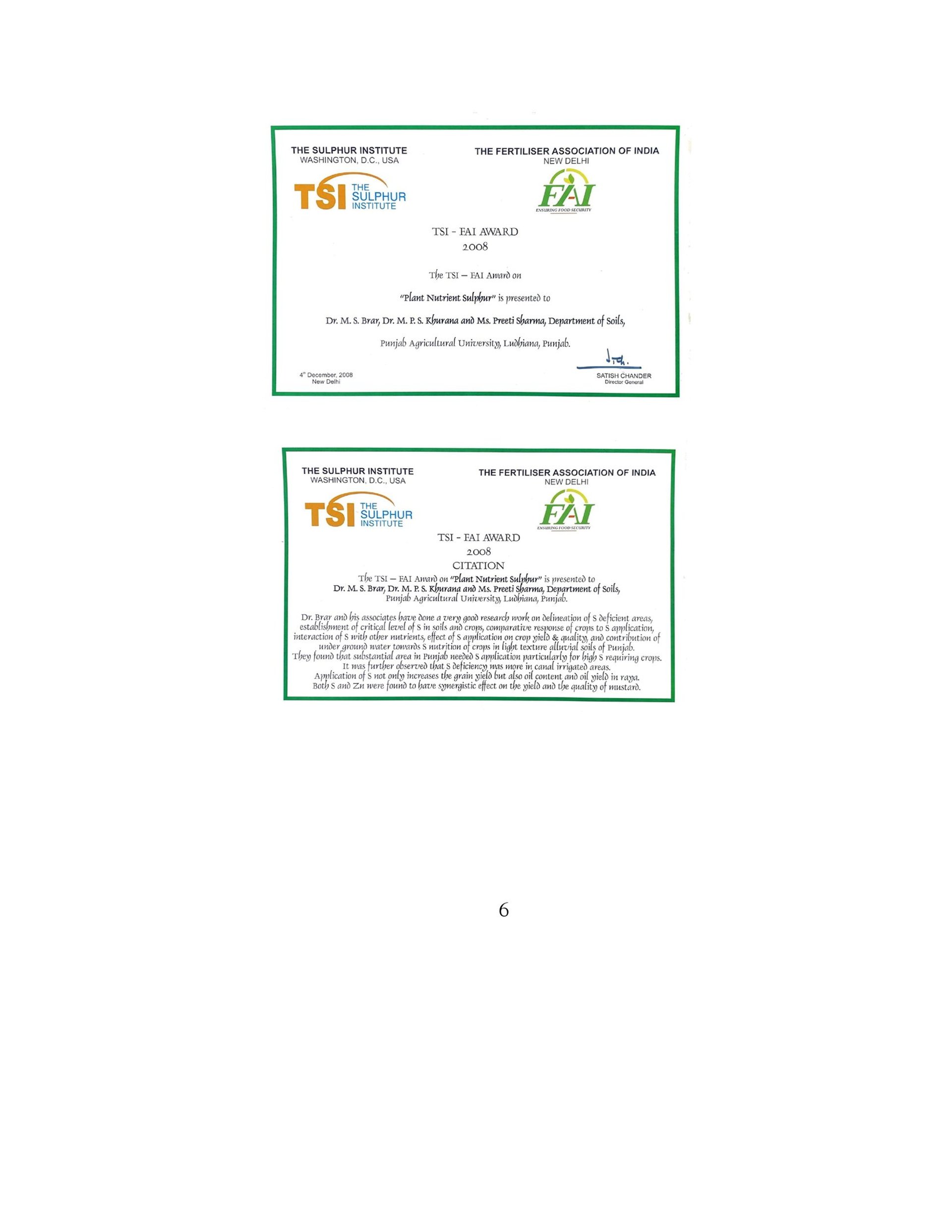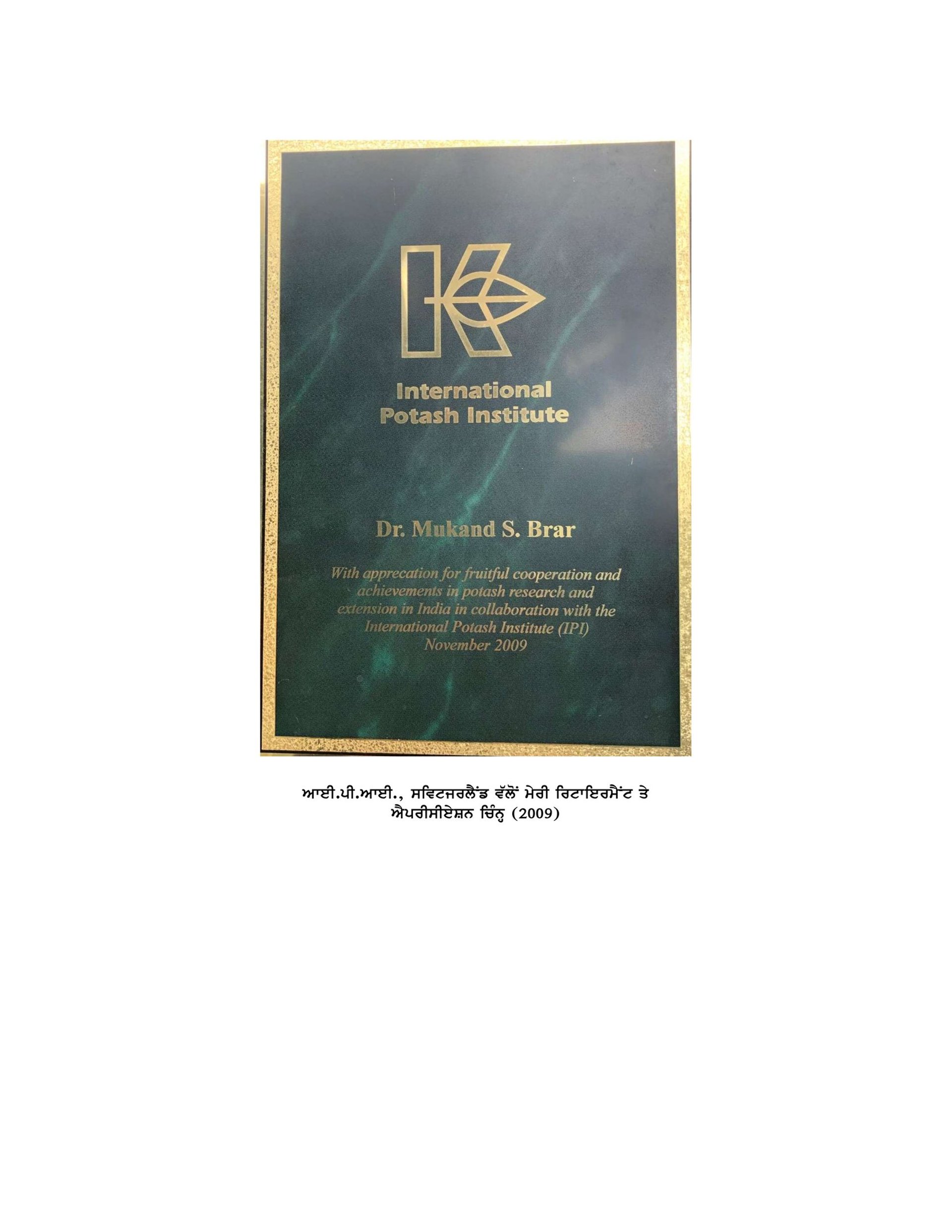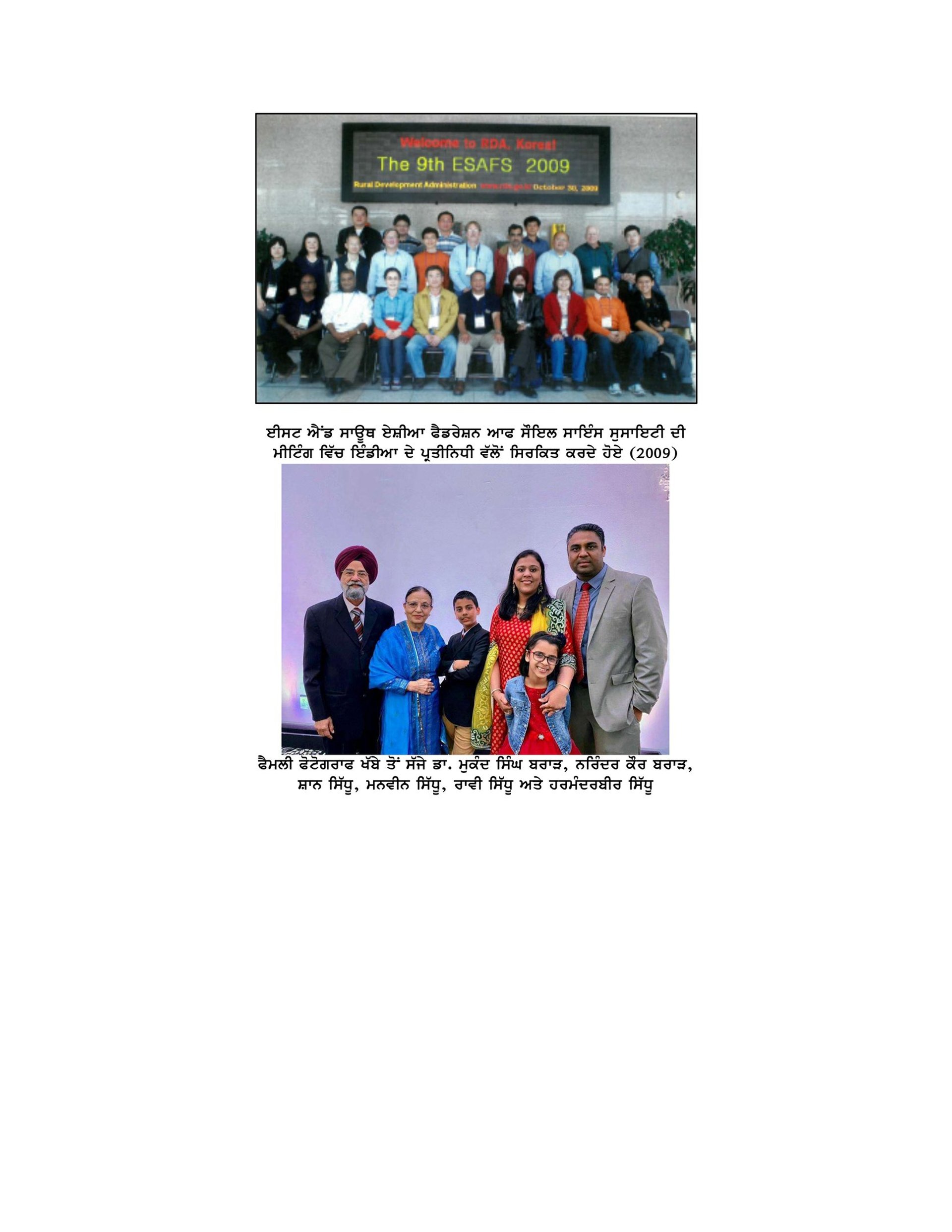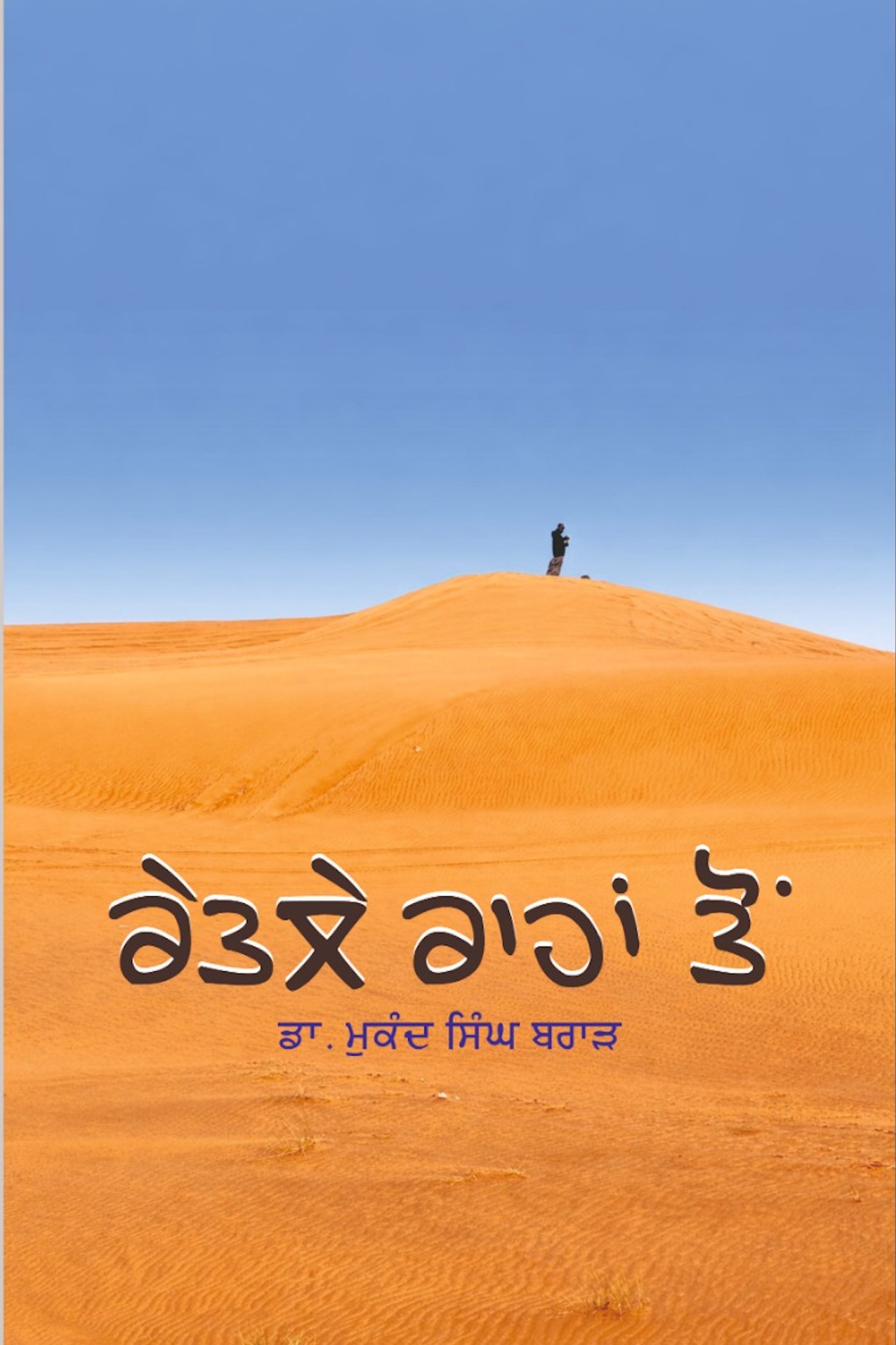
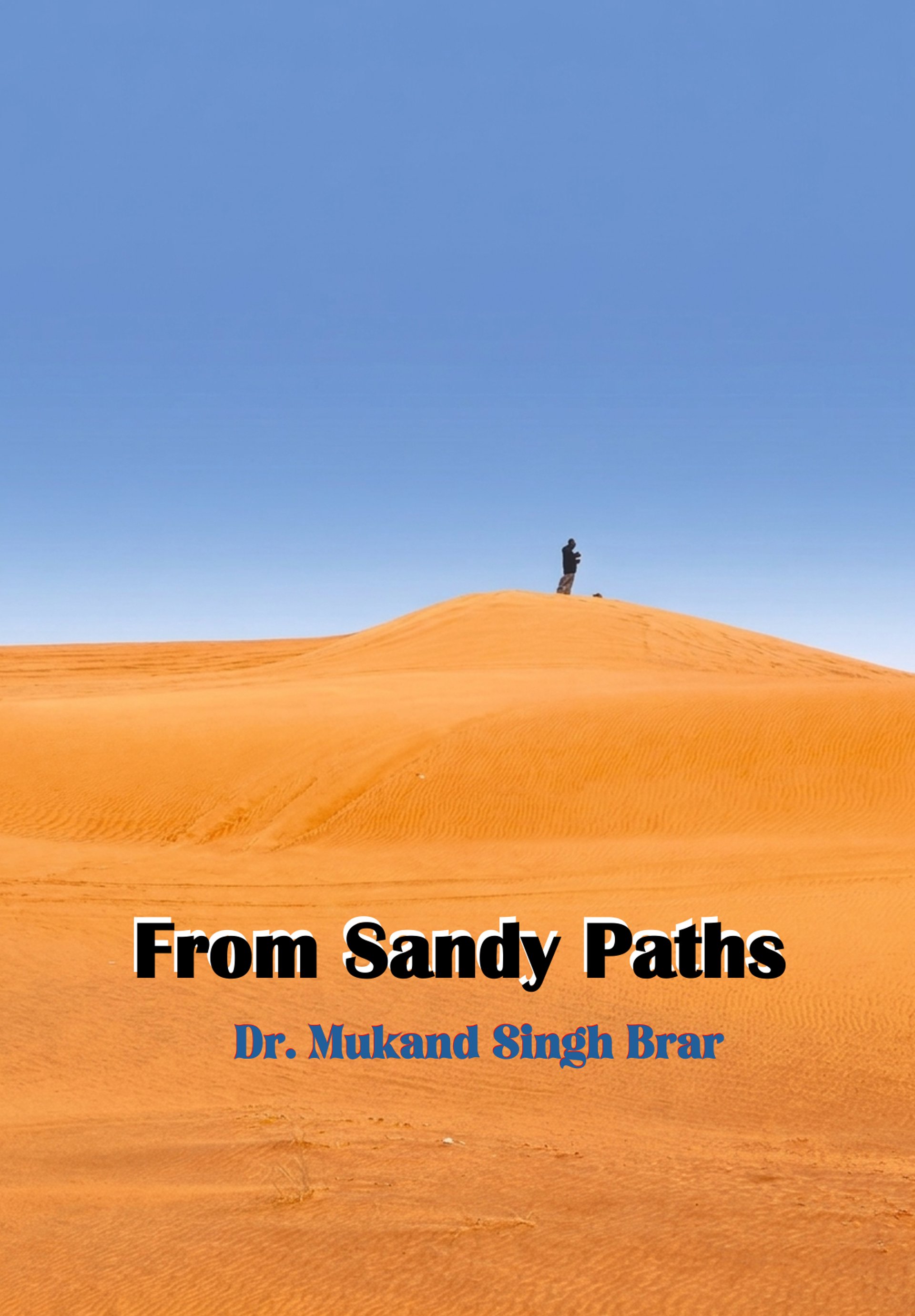
About S. Mukand Singh Brar
A journey through the life and legacy of S. Mukand Singh Brar
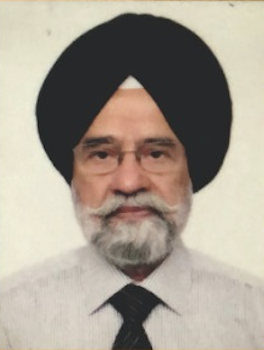
An inspiring story that touches the heart.
A Few Words
I had no experience of writing anything other than research papers in English. Although I had read fine Punjabi literature, the thought of writing a book had never crossed my mind. The idea for this book emerged quite unexpectedly.
I studied at Patto Hira Singh Higher Secondary School from 1963 to 1965 and completed my higher secondary education there. In 2024, the school celebrated its centenary year. To mark this historic milestone, the school administration and alumni planned a grand commemorative event. Preparations began nearly a year in advance. The school held special significance because it was the first high school in the Ferozepur district, which, in those days, covered a much larger geographical area than it does today.
Over the decades, the school produced many distinguished alumni who excelled in diverse fields, brought honour to their alma mater, and earned recognition across the world. Many former students had already passed away, yet the Centenary Celebration Committee made a determined effort to trace and document the achievements of those who had left a lasting mark in their professions.
Among them was the late Dr. Harchand Singh Brar of Village Khai, the first alumnus of the school to earn a Ph.D in the year 1969. Also remembered with pride was the late Dr. Amar Singh Dhaliwal (my maternal uncle) of Village Ransih Kalan, the only non-Muslim student to receive a Gold Medal in M.A. (Psychology) from Aligarh Muslim University, where he later completed his Ph.D. He went on to serve Guru Nanak Dev University in several distinguished capacities, including Professor, Dean, Controller of Examinations and Registrar.
Another notable alumnus was Dr. Pal Singh Sidhu of Village Raunta, who obtained his Ph.D. in Australia and later worked as a consultant with the World Bank. There were many others who brought distinction to the school through their accomplishments in different spheres of life. I too found a place in that list, as I happened to be the first student from the school to earn a Ph.D. in Agriculture in1975.. The committee had asked each selected former student to submit a brief one-page profile. I sent mine as requested.
As on every visit from Canada to Punjab, during my trip in 2024 I was driving towards my village, Koer Singh Wala. Along the way, something stirred within me.
It did not take long for my mind to step out of the car and climb back onto a bicycle. That old bicycle seemed to speak to me: "Mukand Singh, today you may be Dr. Mukand Singh, but come, let me show you the dusty paths on which I once carried you. Let me take you back to your school.“ Almost unconsciously, I turned the car towards Village Patto Hira Singh. Sitting beside me, my wife Narinder Kaur Brar noticed the moisture gathering in my eyes and asked why I had changed direction. I replied softly, "I have a home here too."
I called my friend Malkit Singh in Patto Hira Singh and told him that I was coming and wished to visit the school. He was delighted and assured me that he would join me there.
Malkit Singh and I met the school Principal, S. Gursewak Singh Brar, who warmly welcomed and honoured me on my arrival. He invited us into his office and called a few teachers who were actively involved in organizing the centenary celebrations. Among them was Ms. Manpinder Kaur Brar, Lecturer in English. After some formal conversation, she showed keen interest in my early life and asked several questions about my schooling and the years I had spent there.
The moment I stepped through the school gates, Dr. Mukand Singh Brar disappeared, and little Mukand Singh returned. It felt as though I had once again put on my childhood pyjamas. The fragrance of the school grounds rose from the soil and wrapped itself around me. Memories flooded in with such force that I became completely absorbed in them. As I spoke, Manpinder continued making notes in her diary. She urged me to write these memories down. "If we merely tell these stories to children, they may not believe them," she said. "But if they read them in a book, perhaps the life of a student may change."
Time moved on,.Manpinder compiled short profiles of the school's distinguished alumni. One of those profiles reached my cousin Sunny Dhaliwal, son of the late Dr. Amar Singh Dhaliwal. He telephoned me and insisted that I write a brief autobiography. I declined. But he persisted and said: "You are not writing for yourself. You are writing to transform the life of a student."
He believed that reading such life experiences could inspire young minds, broaden their thinking, and perhaps even alter the course of their lives.
Change is inevitable; the world itself stands witness to it. Yet I told him, “I have spent my life writing research papers. I have no experience in writing something like this.” The very next day he called again. “Bhaji (Brother) do not overthink. Simply pick up a pen and a sheet of paper. Walk back into your past. Close the chapter of your present life for a while and open the chapter of your first life—your childhood. Do what ink does to paper and what a pen does to words. Just remember one thing: write only the truth. There is no need to hesitate.” Those words finally calmed the fluttering of my mind. I accepted his advice. I picked up a pen and paper. I had never imagined that I would become a child once again. Yet I did.
The fragrance of that village soil returned to me. I could see myself stepping out of my suit and polished boots, slipping back into a kurta-pyjama. One after another, the doors of memory began to open. It felt as though I were sitting inside an old baniya’s cloth shop, watching countless wooden compartments being unlocked one by one.
The film of my entire life began to unfold before me. I had lived those moments, seen them, endured them, and enjoyed them, yet they now appeared almost unreal—as if they belonged to a dream. At times my eyes filled with tears of joy. At other times it felt like I was reading a work of fiction. Was that really Mukand Singh?
The boy who wore loose pyjamas, plucked fruit from trees, harvested wheat, brewed tea, sometimes skipped school, sat in the fields eating rotis, and returned home at dusk?
Could that same boy truly be Dr. Mukand Singh Brar, whose research papers are now read in many countries across the world?. In those moments I even felt a deep affection for that old bicycle which carried me every day from the village to school along dusty paths—through rain, scorching summers, icy winters, and fierce winds.
The beloved faces of my teachers began passing before my eyes like scenes from a film. The smiling face of Bebe Ji (my mother) appeared again and again. I could see her rising at four o’clock on bitter winter mornings, blowing into the clay stove to kindle a reluctant fire, preparing tea, and then making me sit down to study. My late sister Jito would wait eagerly for the postman. I could still see her carrying warm parathas.
How much love lived in those parathas. How much fragrance they carried.
After my Mother and Father there are two more individuals whose contribution to shaping my life deserves special mention. The first was my respected relative and teacher, the late S. Jarnail Singh Dhaliwal. It was he who got me admitted to college in Ludhiana. Looking directly into my eyes, he placed a reassuring hand on my shoulder and said:
"Do not be afraid. Work hard. If you ever need money, just write to me.” The second was my respected uncle, the late Dr. Amar Singh Dhaliwal. He repeatedly advised me not to leave university life without earning a Ph.D. He would say: "If a village boy completes a Ph.D., there can be no greater achievement. New paths will open for you, for your brothers and sisters, and for many others after you. Those paths will be created on their own—you may not even realize it.” Today, when I look back on my life’s journey, I find that every word he spoke has proven true many times over. The direction I chose not only transformed my own life but also helped shape the futures of my family members and countless students who followed.
A Ph.D. placed me upon the world stage. It gave me opportunities to travel across many countries, present my research papers, interact with internationally renowned scholars, participate in new research, and build friendships across cultures and continents.
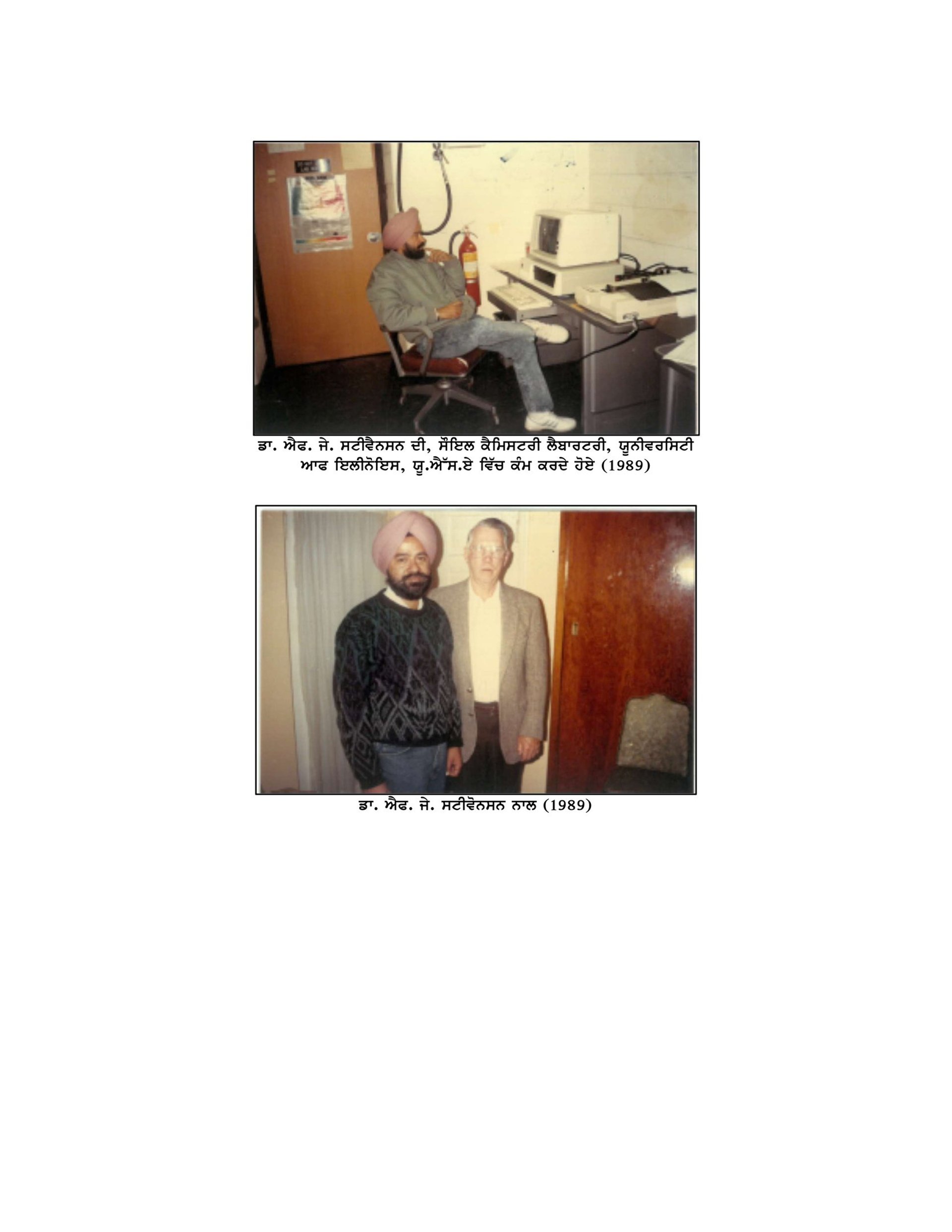
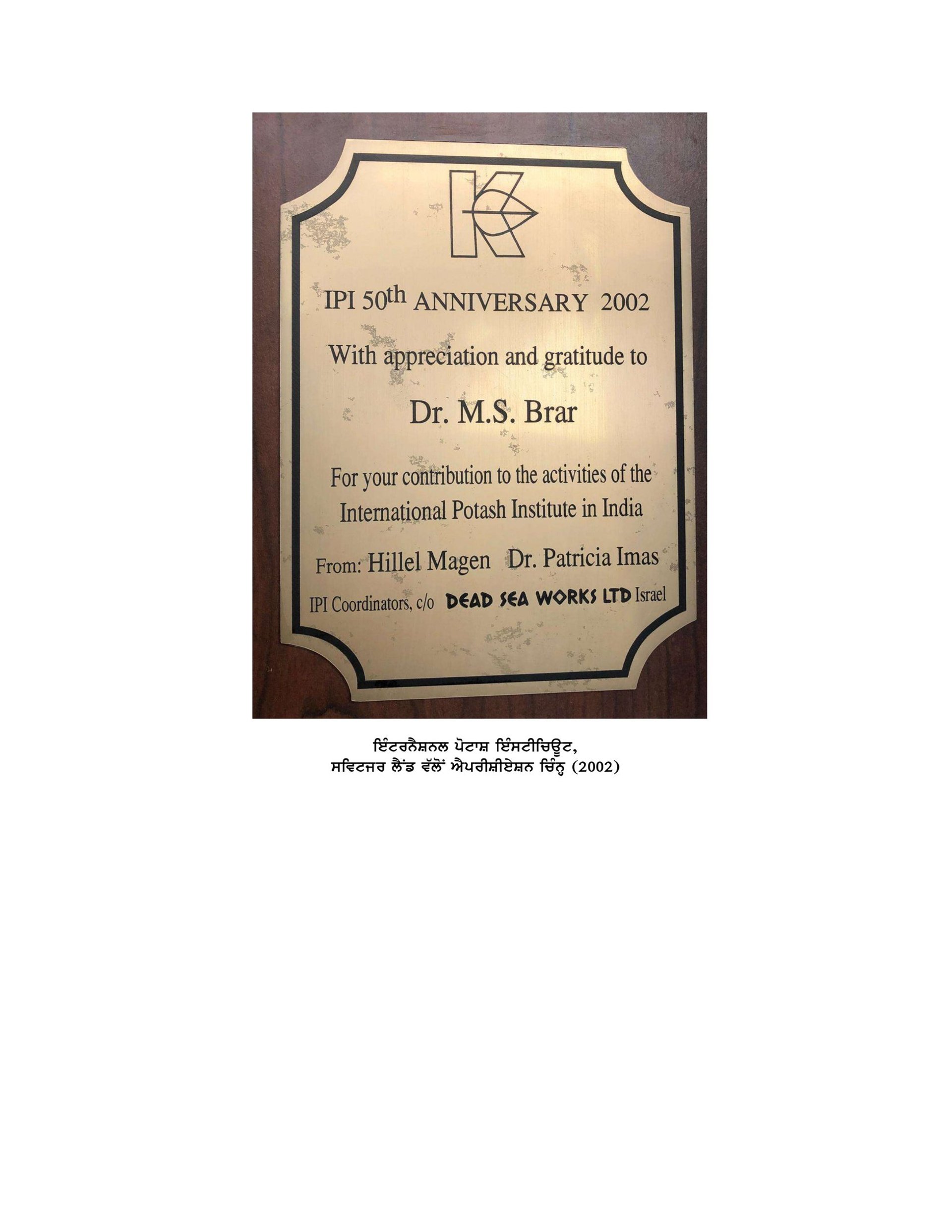
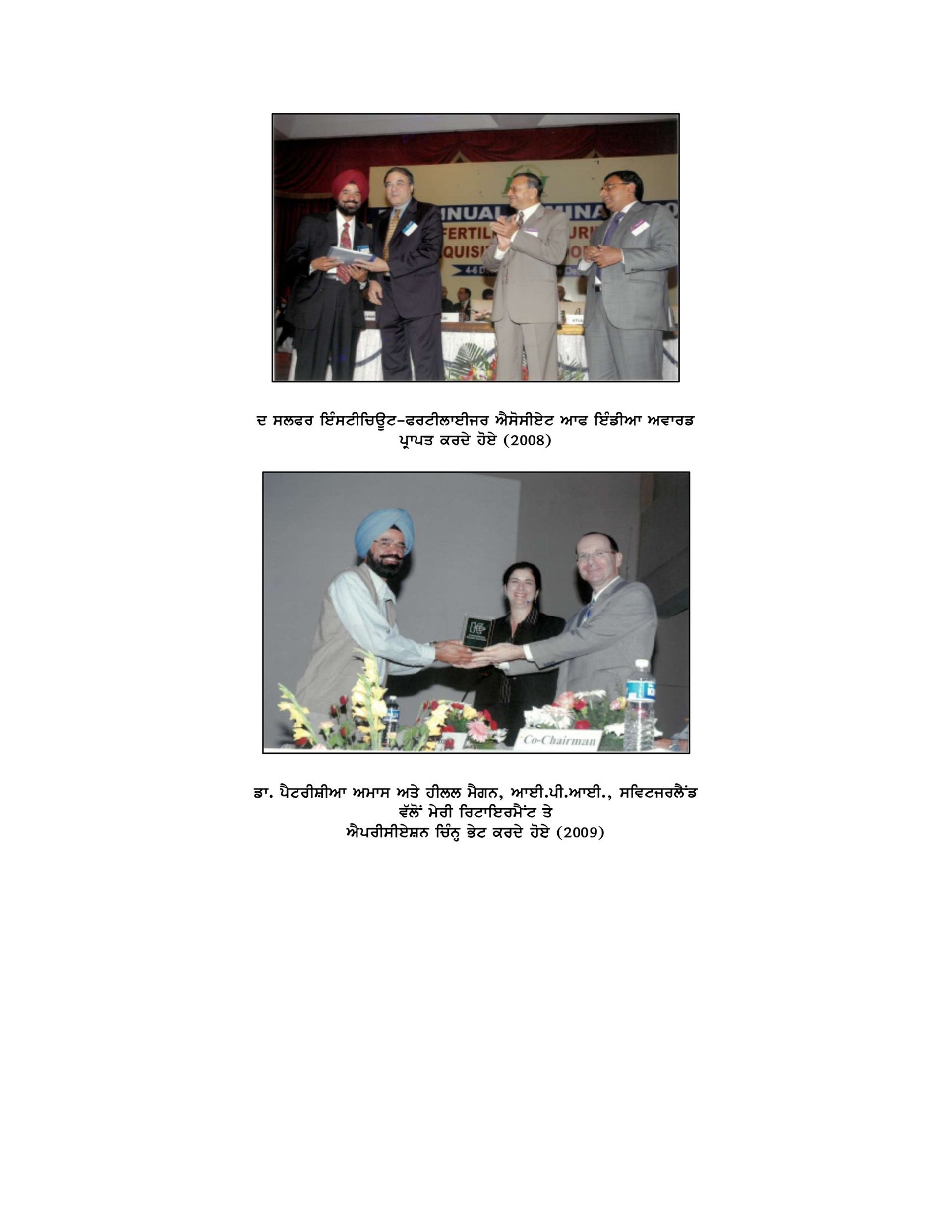
I remain deeply indebted to my guide and mentor, Dr. Gurcharan Singh Sekhon, who taught me the art of research and the discipline of writing successful projects. I am equally grateful to scientists and colleagues such as Dr. Patricia Amas, Dr. Hillel Magan, and Dr. F. J. Stevenson, from whom I learned immensely and who, in turn, generously shared knowledge and experience with me.
I also enjoyed a long and productive association with Dr. Surinder Bansal and Dr Chaman Lal Arora. Together we worked tirelessly and learned from one another. Likewise, S. Avtar Singh Dhaliwal continually encouraged me and helped me appreciate the value and significance of this project.
I owe an immense debt of gratitude to my life partner, Narinder Kaur Brar.
She played a decisive role in helping me climb the ladder of life. During years of research, I often returned home late at night, yet Narinder never complained. She stood beside me at every step, encouraged me when I faltered, shared my joys and sorrows, welcomed my friends, colleagues, and relatives with warmth, and filled our home with unwavering support.
I am equally thankful to my daughter Mannu, my son-in-law Harmandar Sidhu, my grandson Shaan Sidhu, and my granddaughter Ravi Sidhu, all of whom contributed in their own ways to the completion of this book.
In this manner, after playing hide-and-seek and wrestling with words for the past six to seven months, victory has finally been achieved. The words have joined hands in celebration and taken the form of this book.
Edmonton, Canada +12266067040
+919872835130
Mukand Singh Brar
FISSS, FNAAS,
Prof. Soil Science (Retd.) Punjab Agricultural University, Ludhiana
Foreword
Every person builds his own unique identity while walking on the path of life. The loving environment provided by attentive parents and the community provides him with the right direction. Certain situations, opportunities, facilities and the guidance of elders play an important role in improving his personality. All this is the achievement of internationally renowned Soil Scientist Dr. Mukand Singh Brar.
His autobiography is such a work that, when read, one comes to know how a child who fell from a camel and smelled the sand, a student who instead of going to school, hid in a cotton field with his friends and was harassed by the words of the bullies, reaches new heights by studying with dedication and hard work in schools lacking facilities.
Punjab Agricultural University, established in Ludhiana in 1962, guides him to progress step by step. This is his fortune. Due to the high standards of this university, the boys and girls of Punjab, especially the students from rural backgrounds, have reached the top in various fields.
Dr. Mukand Singh Brar studied with dedication and sincerity, under the guidance of competent teachers. He earned a reputation as an international soil scientist. He received honor and respect in many countries of the world.
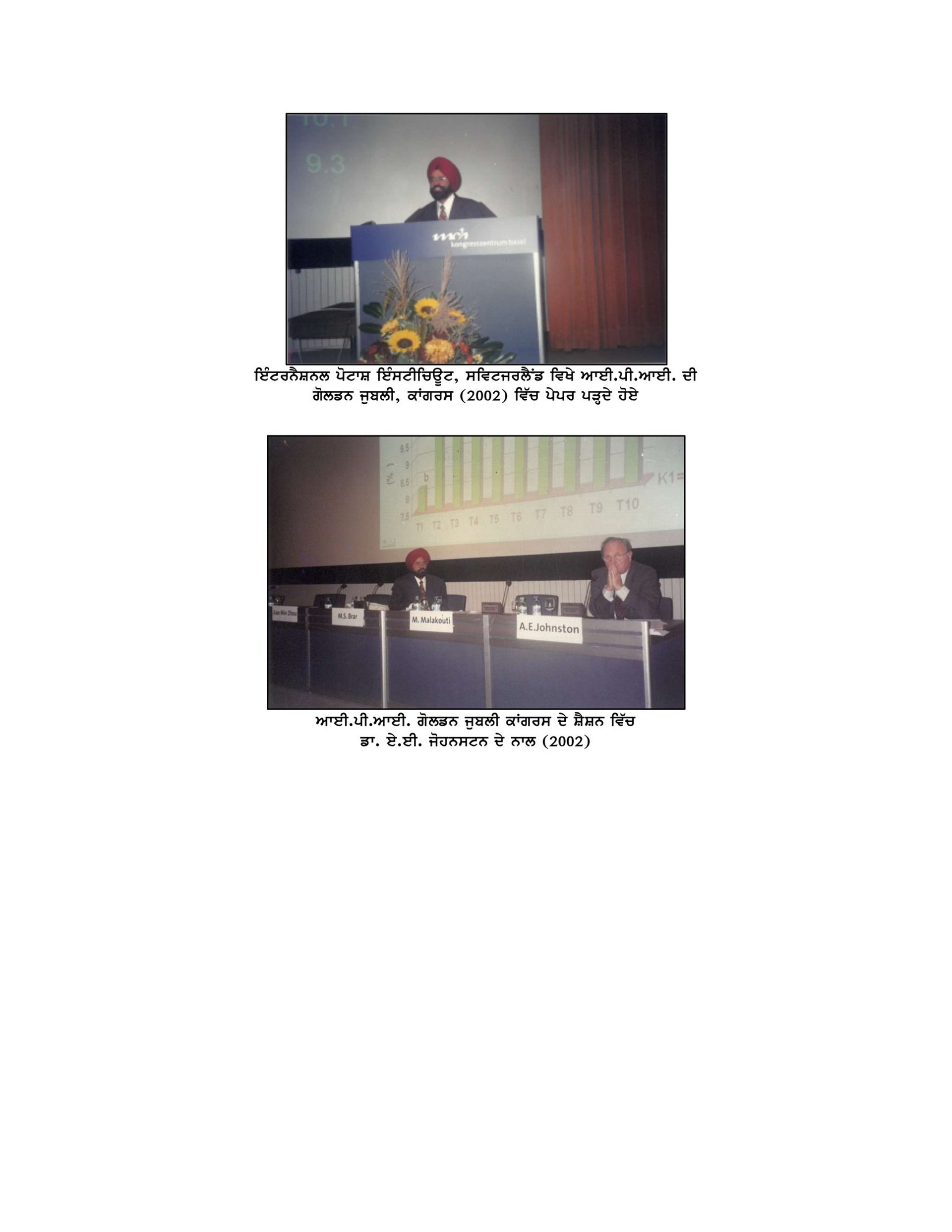
More than one hundred research papers were published in national and international research journals. He participated as an expert soil scientist in conferences held from time to time in countries such as America, Canada, France, Australia, Switzerland, Israel, South Korea, Mexico, Sri Lanka, Thailand and Pakistan. It is the beauty of his personality to achieve this honor due to his hard work.
'From the Sand Roads' is his very simple, clear, and candid autobiography. It is also a vivid travelogue.
Memories have been recorded without hesitation. These memories includes hanging behind the chariot, sleeping on the floor in the threshing floor after eating grandfather's bread, putting on pants for the first time instead of pyjama while going for an interview for admission to the university and playing various roles while working as a student in the university and as a teacher, taking the right decisions in ambiguous situations with the advice and guidance of teachers and elders, resolving problems, fulfilling family responsibilities well, witnessing the incidents of Sikh truck drivers being burnt alive by rioters in Delhi in November 1984, escaping with the help of Air Force officers, the support of friends and loved ones, associating with top-notch Soil Scientists in the country and abroad.
There are such accounts of seeing many new things, learning new languages, etc. while traveling between countries, which highlight the humble and balanced side of Dr. Brar's personality.
I can confidently say that this book is useful for students and researchers entering the field of Soil Science. This book is inspiring for any reader.
February 25, 2026, Woodstock, Canada
Prof. Avtar Singh Dhaliwal
Retired Vice Principal
Government College of Education
Chandigarh
The Truth
For me, writing about my own is no less than climbing Mount Everest. But I could not refuse my brother Dr. Mukand Singh Brar ji because I had requested him to write this book. After working in the education department in Canada for thirty-eight years, I have learned one thing that such books should definitely be in high school libraries. By reading such books, students can change their thinking. They learn to talk to themselves. There are conversations of questions and answers in their minds.
Although writing a book in Punjabi was a very difficult task for Paji, because he had spent his entire life writing research papers, reading research papers, seeing and discovering things that were not visible through a microscope. It was his job to go to the stages of the world and learn and teach new things.
Writing an autobiography is even more difficult, going back in time is even more difficult. You have to go into your mind and scratch the mountains of memories. It is very difficult to take a bird's eye view of the past sixty or seventy years. It takes a lot of courage, Paji picked up a pen and paper and completed this task. He made a very difficult task easy.
I remember an incident. I was young at that time. I was studying in high school. The day Paji got his Ph.D. degree. Paji came to our Guru Nanak Dev University Amritsar Kothi on the same day. He handed over the degree to Dadi. Dadi hugged Paji. At that time I came to know that Dadi had told Mukand Paji that he should not leave the university before doing Ph.D. I fulfilled the promise he made to Dadi.
One thing I have learned while working as a teacher, teacher-librarian, and vice principal in Canada is that one should speak the truth. I am giving my honest opinion about this book.
This book should be read by every high school student studying Punjabi. Parents who want to give their children high-quality education, it is their duty to gift this book on their children's birthday. Wise teachers make such books the decoration of their classroom. This book is a very good tool to attract students towards studies and to improve their lives. There is a great lack of such tools in the schools of Punjab.
Dr. Mukand Singh Brar's friend, 'Cycle', can tell you better than me.
-----------
-----------
Chapter- 1
Whenever I find an opportunity to look back upon my life, it leaves me with a strangely bittersweet feeling. At times, even I find it difficult to believe. Then how can anyone else be certain? Often I ask myself: Is all this really true? Am I the same Mukand Singh Brar who once played barefoot in the dusty lanes of Koer Singh Wala, grazed buffaloes, harvested wheat, wandered through fields with bare feet or worn-out shoes, and who would one day travel to foreign lands to present research papers? The film of my life unfolds before my eyes as though whispering a single message: This is the miracle of hard work.
I, was born in 1948 to Mata Kirpal Kaur and S. Ajaib Singh Brar. In those days, formal birth certificates were not issued. The village chowkidar (watchman) would report births to the local police station. Sometimes he forgot to report them, and at other times incorrect dates were entered. Facilities were limited, records were uncertain, and because of this there is no reliable record of my exact date of birth.
I was the first son in our Baba Ji's (grand father) family. Two sisters were older than me. Being the eldest son came with both privileges and restrictions. One particular restriction remained with me for life. I was never allowed to go near water—especially ponds—and because of that I never learned to swim. In village life, children commonly learned swimming in ponds. Occasionally, however, tragic accidents occurred and children drowned. Out of concern and caution, my parents imposed a strict prohibition. Although I was deprived of learning that skill, I have always respected and appreciated the wisdom behind their decision. I was told that one of my uncles had drowned in a pond at a very young age. That painful memory was the principal reason behind the family's strict rule forbidding me from going near water
.
In front of our house ran a village road. At that time it was not paved. People walked along it, rode horses, and travelled from one village to another upon it. People travelled on them riding horses, camels, and bullock carts. Whenever a cart passed through the village, young boys would often run behind it, cling to the rear, and enjoy the ride. Such simple childhood pleasures brought immense happiness. But that too was forbidden for me. One day, a bullock cart passed in front of our house. The bells tied around the necks of the bullocks jingled rhythmically. Drawn by the sound, I ran out and grabbed hold of the back of the cart, swinging along with delight. Unfortunately, my father saw me.
What happened next remains unforgettable—the first slap of my life landed that day. Perhaps it was also the last.
On another occasion, my two sisters, my father, and I were travelling to attend a wedding. Our camel had been beautifully decorated. A new floral jhul (ornamental covering), an elegant saddle draped with fine cloth, and tassels hanging from both sides adorned it. Bells tied around its legs created a pleasant melody as it walked. Their rhythmic chime was soothing to the ears and delightful to the heart. I was overjoyed at the prospect of attending the wedding. The village tailor had stitched new clothes for me. My sisters and I sat atop the camel while my father walked ahead, holding the reins.
The road was sandy. As we crossed a stretch of sand dunes, a pack of village dogs suddenly rushed toward the camel and began barking furiously around its legs. Startled, the camel reared and began jumping wildly. My father immediately sensed what was about to happen. In that split second, perhaps driven by instinct and affection, he first tried to catch me. Whether he thought the girls would manage on their own, or whether his love for his son guided his reaction, I do not know.
But within moments, all three of us tumbled into the soft sand. Even today, I can almost recall the fragrance of that sand. Perhaps from that day onward, my lifelong affection for the earth and its soil became rooted within me. My sisters quickly got up and began laughing. I escaped with only minor bruises. Since I was determined to attend the wedding, I kept insisting that I was perfectly fine, though the pain lingered throughout the day.
Because roads were rough and undeveloped in those days, visits to our Nanake (maternal grandparents’ home) were often made on horseback. Around that time, the newly introduced PEPSU Roadways buses, marked with the emblem of a horse, had begun operating. These buses travelled from Faridkot to Patiala. To board one, however, we first had to walk nearly 10–11 kilometres to Jalal village. From Jalal, we travelled another 10–12 kilometres by bus to Bhadaur, and from there walked almost 10 kilometres more to reach Tallewal. In reality, nearly two-thirds of the entire journey was completed on foot, while only one-third was by bus. When we finally arrived at our Nanake, and someone asked us, "How did you come all the way here?”
“Yes,” we would reply with immense pride, “We came by bus.” In those days, travelling by bus was a matter of prestige. Today, such things may sound amusing or even unbelievable, but at that time they were a living reality.
Our house stood on the outskirts of the village, and in front of it lay the khaliyan (threshing floors). These were the places where wheat was threshed after harvest. Once the wheat crop was cut, the sheaves were left standing in the fields. After fifteen to twenty days, they were loaded onto carts and brought to the khaliyan. There, the process of threshing began. Usually, either two pairs of bullocks or one pair of bullocks along with a camel were made to walk in circles over the wheat. When there was a shortage of helping hands, children like us were often made to sit on the back of the camel. The purpose was that bullocks and camel did not stop. The threshing continued endlessly. Bundles of wheat stalks were gradually spread before the animals so that they would be crushed into smaller pieces more quickly. Over several days, the grain separated from the ears and the remaining stalks turned into straw.
Then came another waiting period—the wait for the right wind. Using wooden forks, the grain and straw were tossed into the air. The wind carried away the lighter straw while the heavier grain fell back to the ground. Even after that, tiny husks still remained mixed with the grain. These were removed through repeated winnowing with hand-fans and baskets. It was a slow, exhausting, and labour-intensive task. Only after all this were the wheat and straw gathered, tied into heaps, and carried home. Throughout the scorching months of May- June, this work continued for two or even three months—from harvesting the crop to bringing the grain safely home.
For us children, the completion of threshing season was eagerly awaited. When the work was finished, we would receive a small reward. We would sell a little grain at Barkat Bania’s shop and buy sweet treats made of sugar and jaggery to enjoy.
I vividly remember one afternoon. My grandfather was guarding the threshing floor. He was especially fond of eating churi—a rich mixture made by crushing fresh rotis with jaggery and generous amounts of desi ghee. My mother prepared a large bowl of churi, handed it to me, and said, “Take this to Baba Ji. The sun is harsh—go quickly and come straight back.” I left. But when I did not return for a long time, Bebe became worried. She herself walked to the threshing floor and asked Baba Ji, “Did Mukand bring your churi?”
Hearing this, everyone was startled. “He never even came here!” he said. Panic spread instantly, and the search for me began. After looking around for quite some time, someone finally went to the far side of the bhusa (fodder heap) and found me asleep in its shade. The bowl of churi rested on my stomach. Half of it had been eaten. I had fallen asleep while eating. Such was life in those days.
For us, churi was every bit as delightful as ice cream is to children today.
When I look back now, I see how dramatically agricultural life changed over the years. In the beginning, threshing was done using thorny beri branches. Later came barbed-wire implements. After that, mechanical threshers appeared, breaking the stalks while leaving grain and straw mixed together. Then came machines capable of separating the grain from the straw. Today, we have reached the age of the combine harvester.
One memory that remains especially vivid is the great flood of 1955. I was about seven years old. In those days, most village homes were built from mud. The two rear rooms of our house and the kitchen were mud structures, while only the front entrance section was built more solidly. The floodwaters were terrifying. A fast-moving stream nearly five feet deep rushed past the front of our house. On one side was the floodwater, and on the other side relentless rain. To prevent the water from entering the house, we began building an embankment in front of the entrance.
But where would we find enough soil?
Our house and my other Baba Ji’s house stood side by side. Between them was a small dividing wall, and on both sides were feeding troughs for livestock. The courtyards were spacious. We first demolished that dividing wall and used the soil to build the embankment. As the water continued to rise, more earth was needed. Then we began digging soil from the courtyard itself, strengthening the barrier until it became quite sturdy.
Soon another problem emerged.
Because of the continuous rain, water began collecting inside the courtyard. To deal with it, a large pit was dug near the entrance. A long irrigation channel from the fields was brought and laid across the embankment. Two men stood below, filling buckets with water and lifting them upward, while others emptied the buckets into the channel so the water could flow out. Those were difficult days.
Meanwhile, all the village cattle were moved to the higher mounds of land near the village. Fodder was carried there for them. Buffalo milk was collected in buckets, balanced on people’s heads, and carried back home.
This routine continued for many days. The rains eventually stopped, and the floodwaters slowly receded. But the damage they left behind was immense.
After the flood, our entire house had to be demolished and rebuilt. The force of the water had weakened the mud structures so badly that repairing them was no longer possible. The devastation was not limited to our home alone.
Many villages in the surrounding area were so badly damaged that they had to be abandoned and rebuilt on higher ground. Entire settlements were relocated to safer locations. A notable example was Village Jawahar Singh wala, situated near Village Patto, which had to be re-established on a higher site after the flood.
The Bicycle That Never Left Me
I believe my bicycle can still take me back to the paths we travelled together—day and night, through every season, every struggle, and every dream.
One sunny day in Edmonton, while walking from Orchards to Summerside, my mind was restless. I wanted to rediscover the path my life had taken. I wanted to write, but no words came. My thoughts and my footsteps had fallen out of rhythm.
Then, suddenly, I saw an old friend—my bicycle.
It smiled and said,
"Do not lose heart, my friend. A friend in need is a friend indeed."
"Come, sit on me once again. Let us travel back to those dusty, muddy, slippery village roads where your journey truly began."
"Take off the suit and tie for a while. Wear that old cotton pajama again. Imagine your mother serving you hot parathas made with love. Leave behind the comforts of today and return to the simplicity that shaped you."
It carried me back to Patto High School, to familiar classrooms, the hostel, my teachers, and old friends.
It whispered,
"Tell them about the young Mukand Brar—the boy who sometimes skipped classes, hid in the fields, played cards with friends, and knew little about the future waiting for him."
"Then, one day, something changed. The direction of his thinking changed. He chose discipline over excuses, hard work over shortcuts, and purpose over comfort."
"He worked late into the night. He replaced doubt with confidence. He began looking at the stars instead of the dust beneath his feet."
Years later, that same village boy stood on international scientific platforms, sharing knowledge with the world.
Today, the small sapling has grown into a tree, offering shade and fruit to others.
My family enjoys its shelter. My grandchildren, Shaan and Ravi, now walk on roads that were once only dreams.
Behind that journey stood many people, but one name deserves special mention—Narinder Brar—who nurtured that young sapling with care, encouragement, and unwavering support.
My bicycle looked at me one last time and said,
"Yes, this is the same Mukand Brar who once skipped school."
"Never forget where you started."
Because no journey begins on a smooth road.
And no dream is too distant for a determined mind.
Nothing is impossible when you truly commit yourself to it.
The Childhood Memories
Chapter- 2
In those days, school examination results were declared on 31 March, and admissions to the next class took place during the first week of April. Our village school teacher, Master Pritam Singh, had a rule of his own. Whenever a child was enrolled, he would record the child's date of birth as the first day of the month in which the admission took place. Perhaps he felt there was no need to trouble either the parents or himself with exact details. That is how my date of birth came to be recorded as 1 April 1948.
Children were generally admitted to school at five or six years of age. In those days, most villages did not even have proper school buildings, and our village was no exception.
Our school existed beneath the shade of two banyan trees standing in the Dharamshala of the village. Under one tree, the village elders sat refining their skills at cards; under the other, all four classes of the school were taught. The only difference was that, considering the age and status of the elders, they were provided with raised platforms on which to sit and play cards, while we students sat on sacks brought from home.
If rain threatened or a wedding in the village, school was declared closed. To encourage such holidays, we children would often pray: “O God, either let someone get married, or send rain upon us!” According to family recollections, I too was admitted to this school in 1954. I vaguely remember my Baba ji taking me along. First, he bought patase (sugar sweets) from Barkat Bania’s shop and then led me to the school for admission. The patase were distributed among the children as a celebration.
When I began school, I carried a sack to sit on and a cloth school bag stitched at home by hand embroidery. Inside that bag were a takhti (wooden writing board), an inkpot, and a few reed pens fashioned from sarkanda reeds.Pencils, as we know them today, were not yet part of our school life. We would borrow one another’s writing boards and practise drawing straight lines with charcoal. The pencil entered our lives only after the first class.
During those years, Master ji (school teacher) developed a deep fondness for playing cards. As a result, teaching the children received less attention. All four classes sat beneath the same banyan tree. Master Ji would instruct us to sit quietly and then move over to another banyan tree where the card game was in full swing.
Without supervision, the children of all four classes would begin chattering like sparrows. One would push another, someone would pick a quarrel, and before long a scuffle would break out. Whenever the noise grew loud enough to reach Master Ji’s ears, he would come rushing over, catch a few children by their ears, make them squat in punishment, restore temporary order, and then return to his cards. Soon the uproar would begin again in another class. The punished children would be released, another group would be caught, and thus the school day passed. Half the day would slip away in this manner.
At meal time the children ran home to eat, while Master Ji settled down comfortably to continue his card game.
After the recess, perhaps tired of playing cards, he would teach a little for a while. Toward the end of the day, he would ask two students to stand before the class and recite multiplication tables and numbers aloud, while he sat back doing very little.
After school, the children often struck their takhtis (wooden writing boards) against one another. Some boards broke. Then came pushing, wrestling, and outright fights.
In those days, replacing a broken board was almost as difficult for a family as buying a bicycle. We had to make do with repairs and patchwork. Education had not yet become a priority in the minds of most villagers. Nobody objected to Master Ji spending his time playing cards.
Like many villages of that era, our village too lagged behind in education. One reason was its location. It stood at the far edge of the former princely Nabha State. On one side lay Punjab; on the other, the territory of Faridkot State. After the formation of PEPSU, it became one of the last villages of that province. Later, it was also counted among the outermost villages of Bathinda district. It almost seemed as if the village took pride in being at the end of every map. We did not even have a separate village Panchayat of our own. One village representative served as part of the Bhodipura Panchayat. Strong foundations require great effort to build. Because of Master Ji’s lack of interest in teaching, the foundations of our education were not laid as firmly as they should have been. Yet, somehow, I reached the fourth class.
And here, time brought a turning point in my life.
Perhaps time finally took pity on us. Fortunately for us, our old master was transferred, and a new teacher, Master Jarnail Singh from Kotkapura, arrived at our school. Even today, whenever I look back, those days come vividly before my eyes. I often feel that this transfer played a major role in my becoming a professor. Otherwise, I might have been engaged in some ordinary work or driving a tractor.
Master Jarnail Singh was an excellent teacher. When he arrived, he quickly realized that the children knew very little. He called a meeting of all the parents and told them plainly that the students lacked even the basic knowledge expected of their classes. He said, “There are two options. Either let the children continue as they are, or allow me to move them back one or two classes voluntarily and teach them properly from the beginning.”
The parents replied, “Do whatever you think is right, but make sure the children learn.”
Master Ji reassigned some students one class lower and others two classes lower. He removed the card-playing benches and reorganized the school. Two classes were held in the verandah of the Dharamshala, while the other two sat under the shade outside. This arrangement made it easier for him to teach each class individually.
There were not many children in our school.
Many parents withdrew their children so they could help with household duties and farm work. Only five of us remained in the fourth class. One among us was Master Ji’s own son, Kuldeep Singh, who later completed his M.B.B.S. and became a surgeon.
In those days, the fourth-class examination was conducted by the Board. Thanks to the hard work of our new Master Ji, all of us passed the Board examination. Master Ji was not only a dedicated teacher but also a remarkable human being. Besides teaching at our school, he served as the postman and village doctor for four villages—Koer Singh Wala, Bhodipura, Hakam Singh Wala, and Ramu Wala. After school hours, he carried out the duties of both doctor and postman. Yet, despite all these responsibilities, he was never absent from class.
For fifth class, I had to move to the neighbouring village of Bhodipura, as the school there was only up to the fifth standard. That school also had no proper building. Classes were conducted on a raised mound. The mound was considered a religious place. The teacher there worked with great dedication, and by joining that school we too advanced in our studies. By then, we had progressed from sitting on simple sacks to sitting on tat mats. We sat on those mats and continued our education.
I considered myself fortunate. As part of our daily routine, the students themselves would spread the tat mats in the morning. At the end of the school time, we would roll them up and store them in a room.
For admission to the sixth class, I had to move to a new school further next village.. There were two schools near our village:. I was admitted to Government Middle School Akalia for sixth class. The school was six to seven kilometres from our home. The entire route was rough and sandy. Sand dunes rose along the way. Asking the family for a bicycle was pointless. Even if I had one, I would have had to drag it through nearly half the journey. Every morning, we set out together from the village, schoolbags hanging from our shoulders. Some walked barefoot, while others wore worn-out shoes. We talked, laughed, pushed one another playfully, and hurried along, always mindful of the Master's stick waiting at school.
The journey home was entirely different. We walked slowly and without hurry. Often we rested beneath the shade of trees. Every student returning from school carried two companions—hunger and thirst. On the way, we plucked green gram and chickpeas from the fields and ate them. Sometimes we roasted them before eating. We pulled sugarcane from the fields and sucked its sweet juice. We drank water from wells wherever we found them. In the morning, after eating parathas with chutney, butter, and curd, we ran toward school like spirited young calves. By evening, however, we trudged home like tired oxen. It was often quite late when we finally reached home.
The moment I arrived, Bebe would exclaim, "Oye, my son has come!“ She would embrace me, wipe the sweat from my face, pour a brass tumbler full of milk, and place a lump of jaggery in my hand. After eating and drinking, I would feel strong as a horse and run off to play. When the games ended, I returned home, completed my schoolwork, and helped with household chores.
English was introduced for the first time in sixth class. Even today, I do not know why our English teacher came to school only on Saturdays. Since Saturday was a half-day, all four periods that day were devoted to English. After teaching on Saturday, the teacher would disappear for the entire week. Whatever little English we learned on Saturday was forgotten before the next one arrived. The train of English seemed forever halted at the same station. All of us struggled to learn the language. After four periods of English, we often left the classroom looking confused and defeated, like frightened chicks wandering out of a coop.
If becoming a murga (the traditional school punishment of squatting with one’s arms threaded beneath the knees while holding the ears) could have taught us English, we might have spoken it better than the English themselves. But that was not the case.
Instead, our fear of English grew. Our dislike for English grew. The only real benefit of becoming a murga was that it strengthened the muscles in our legs. Nearly half the students in our class came from neighbouring villages. One day, the boys from neighbouring villages, all thoroughly frustrated with English, came up with a plan. We would simply stop going to school on Saturdays. Staying at home was not an option either, so it was decided that we would gather beneath a tree along the way and hold our own little picnic. We would eat the parathas brought from home, pull sugarcane from nearby fields, chew it happily, and then return home at the same time when school was over. For some time, this arrangement worked perfectly.
Then one Saturday, something unexpected happened. As usual, we were sitting beneath a tree on the edge of a cotton field, enjoying our holiday. At that moment, a group of women picking cotton arrived. The sight of them startled us. We grabbed our schoolbags and ran. The women assumed we had been stealing cotton. They began shouting and calling us thieves. Hearing the commotion, people working nearby gathered around. Fortunately, they recognised us and explained, “These are schoolboys.” No one said anything to us there, but the news reached our homes before we did. A severe scolding awaited us. After that, we returned to school regularly. Many boys failed sixth class, but I passed. Today, whenever I look back, I silently bow my head in gratitude to those cotton-picking women. Had they not appeared that day, my education too might have remained stranded on that same track.
I do not know what suddenly came over me, but one day I told my family, “I do not want to study here anymore. I want to study at Raunta.” village. Raunta was no closer to our village than Akalia. It too had a middle school, but the quality of education there was considered much better. The teachers were known for their dedication and hard work.
Soon another difficulty became clear. Compared with the students of Raunta school, my English was weak, fragile, and stumbling. I admitted to my family that I knew very little English.
Meanwhile, the school in our own village was up graded up to the fifth class, and another teacher, S. Bikram Singh, joined the staff. He was just as hardworking and sincere as S. Jarnail Singh. My Baba Ji requested Bikram Singh to help Mukand learn English.
He agreed. From that day onward, after school hours, I...
I began studying English under his guidance. He never charged a single penny for teaching me. In return, Bebe Ji would send a can of milk for him from our home.
With his help, I somehow crossed the eighth class—much like an old Punjab Roadways bus making its way over a rough road. After eighth class, however, I had to change schools once again, because studies at the Raunta school ended at that level.
My elder sister passed her Matriculation examination in 1958. Alongside her studies, she also completed the Giani and O.T. qualifications and later became a Punjabi teacher. One reason she could continue her education was that she lived in my maternal grand parents’ village, Tallewal (District Barnala). That village had a long-established educational tradition. There was an old Khalsa Middle School for boys and another for girls. Because schools existed within the village itself, Tallewal advanced far ahead in the field of education. Many distinguished people emerged from there. Among them was Dr. Balwant Singh Tung, who became Principal of Government Medical College, Amritsar, and one of Punjab’s renowned surgeons. Another was Sardar Malkiat Singh Tung, who became a Chartered Accountant. Perhaps the real reason I managed to pass one class after another was that during school vacations I stayed in Tallewal, where my sister helped me greatly with my studies. I would study as much as was necessary and somehow make my way through the examinations.
In those days, especially in backward villages, education was not considered very important. People had little understanding of its long-term value. Most believed that children should learn household work, help on the farm, and become useful as early as possible. Even today, while sitting in a professor’s chair at a university, my thoughts sometimes wander back, without a ticket, into the dusty lanes of my village. A question often rises in my mind: How did I continue studying? Why did my family not withdraw me from school like so many others? After much reflection, I have come to understand two important reasons. The first reason was my father. He had studied up to the fourth class in his maternal village, Galib Kalan (District Ludhiana). He was intelligent and eager to learn. He wanted to continue his education, but when his own father and uncles parts ways, the responsibility of farming and supporting the household fell upon his shoulders. As a result, he was taken out of school after the fourth class and brought back to the village. I often feel that a quiet regret must have remained with him throughout his life—that he never received the opportunity to study further. Perhaps because of that unfulfilled dream, he wanted his children to receive the education he himself had been denied.
Education thrives when opportunities are made available. The second reason for my continuing studies was my family’s exposure to educated and influential people. Whenever government officers—especially revenue officials such as Tehsildars, Kanungos, or police officers—visited our village, they often stayed and dined at our home. Watching these officers, listening to their conversations, and observing the respect and authority they commanded, Baba Ji came to believe that education opened the door to meaningful positions in life. His belief proved true. That vision, aspiration, and determination eventually bore fruit. Out of six siblings in our family, two sisters and two brothers became teachers.
For my higher studies, I chose Government Higher Secondary School, Patto Hira Singh, located about thirteen to fourteen kilometers from our village. It was one of the most respected schools in the area. The entire route was a rough dirt road, making it impossible to walk such a distance every day. My family therefore bought me an old bicycle. In 1963, I entered the ninth class. The standard of education at this school was excellent. Three streams were offered there were, Medical, Non-Medical, and Agriculture. At that age, I had little understanding of which stream I should choose. My maternal cousin, S. Jarnail Singh Dhaliwal, M.A., B.T., was a mathematics teacher. His village, Chhiniwal Khurd (District Sangrur), was educationally backward, but he himself had studied in his maternal village, Sudhar (District Ludhiana). Because Sudhar had a long-established college, he had received his education there. He was also an outstanding hockey player and had captained his college hockey team. His team frequently competed against the Agricultural College, Ludhiana hockey team, whose captain was S. Prithipal Singh, the legendary Indian hockey player renowned throughout the country as the “King of the Penalty Corner.” Jarnail Singh often played against him.
In 1962, the Agricultural College became part of the newly established Punjab Agricultural University. I sought his advice about which academic stream I should pursue. He explained that a student who completed a B.Sc. in Agriculture from Punjab Agricultural University could become an Agriculture Inspector, a respected government position in those days. On his recommendation, I chose the Agriculture stream and secured admission in it.
The School Life
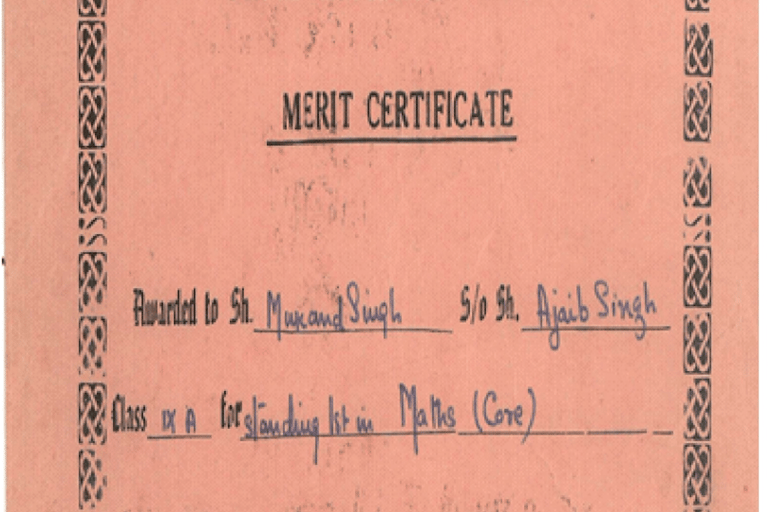
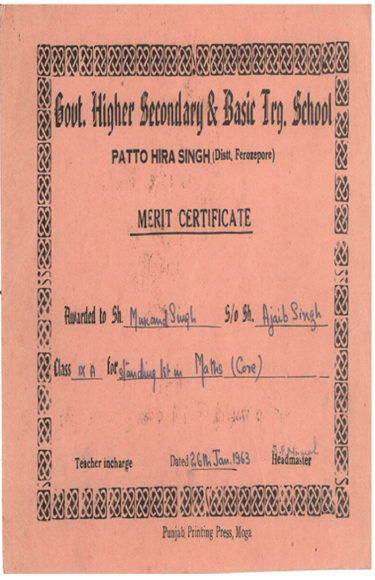
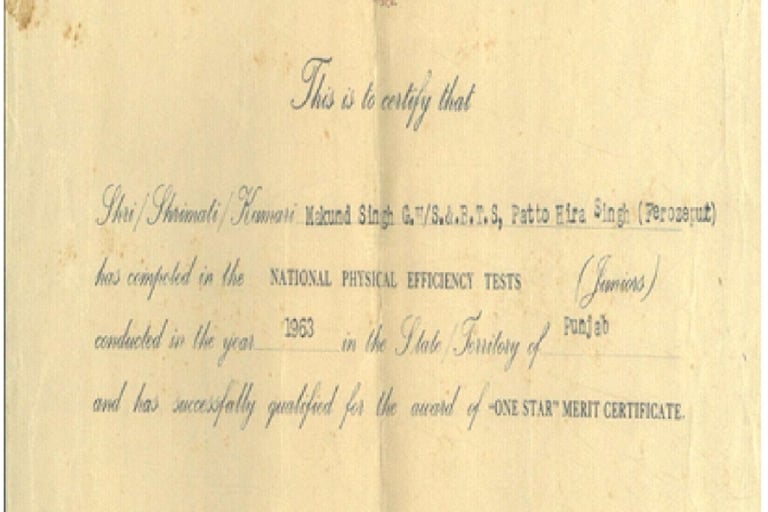
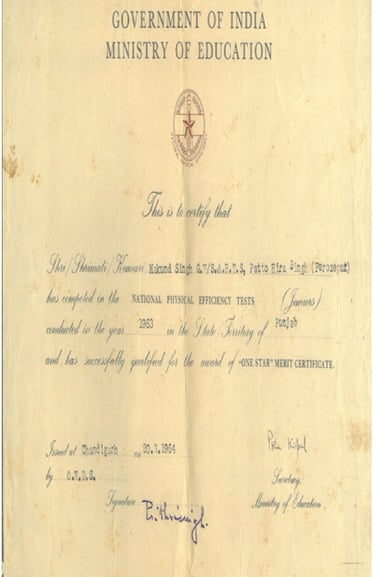
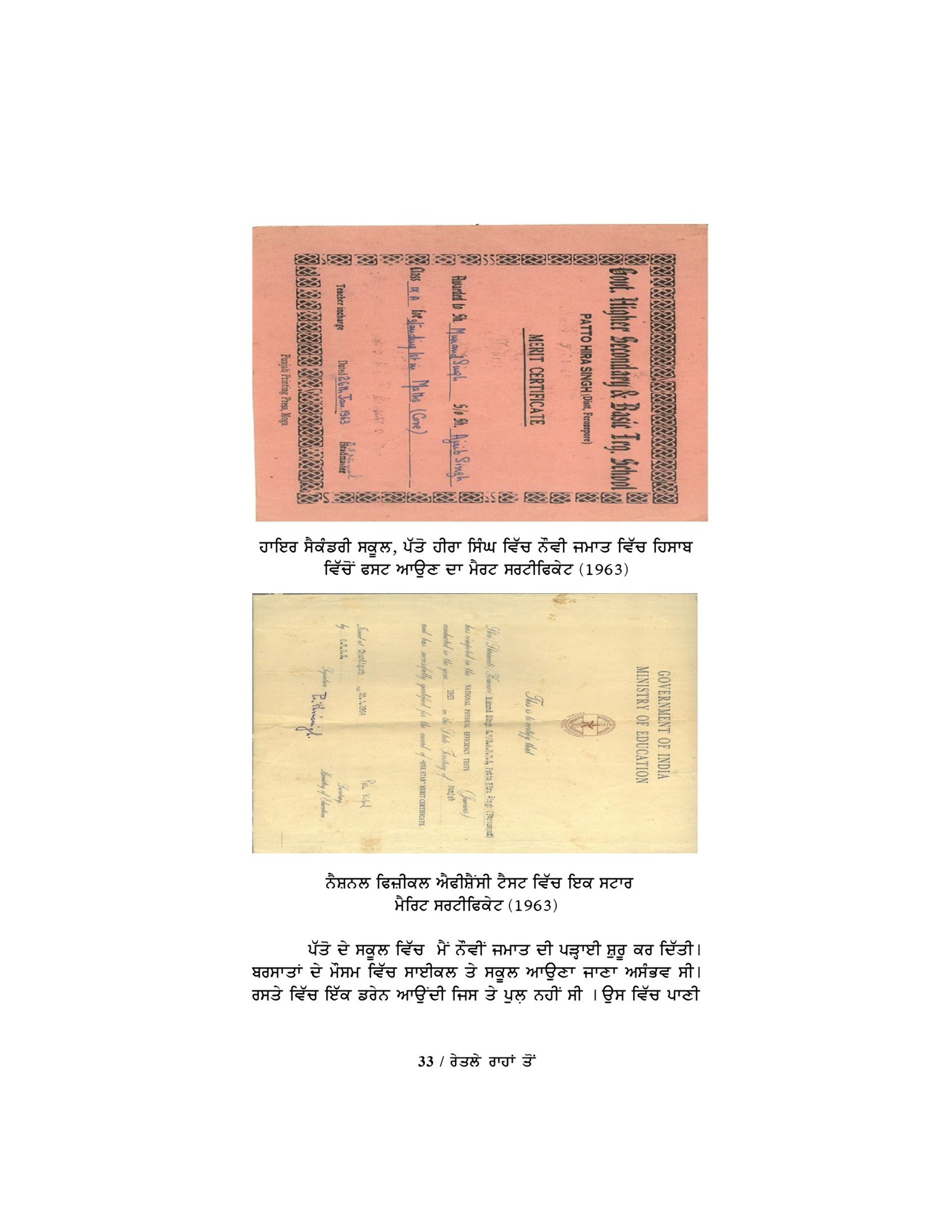
Merit certificate (1963) for standing first in Mathematics in the ninth class at Higher Secondary School, Patto Hira Singh.
National Physical Efficiency Test, one-star merit certificate (1963).
I started studying in the ninth class at the school in Patto. During the rainy season, it was impossible to travel to and from school by bicycle. On the way, there was a drain that had no bridge over it. In it, the water...
Crossing the flooded stretches was often dangerous because of the
powerful currents. Anyone who has not witnessed those times would find it difficult to imagine the conditions we lived through. To reach school, I had to travel nearly twenty-five kilometers, passing through several villages and crossing waterlogged routes. This struggle continued for three years. Despite all the difficulties, I worked hard and secured first position in Mathematics in the ninth class.
Another thing that would seem unbelievable to today’s children and parents was our Headmaster, Shri. Satpal Nirmal Ji, who taught us English. At times, he would slap the entire class. Yet no parent ever dared question him. In those days, nearly all students wore khadi kurtas and pyjamas. Every year, the National Physical Efficiency Test was conducted to assess students’ fitness. Thanks to my daily cycling, I passed that test comfortably in both 1963 and 1964.
Winter brought another challenge. The days were short, and reaching home before dark became difficult. We requested the Headmaster to arrange accommodation for us at the school. Three rooms stood along one side of the building, and two students were assigned to each room. Finding a place to sleep was easy enough. Finding food was not.
There was no arrangement for meals. Whenever one problem was solved, another seemed ready to mock us. Looking back now, even I sometimes struggle to believe those days were real. At times I laugh to myself and ask: “Tell me, Bhai Mukand, honestly—is this truly how it was, or was it all a dream?”
The postman from Patto Hira Singh, who delivered mail to our four villages, used to hand the letters to our village teacher, S. Jarnail Singh, who then distributed them after school. The postman was a retired soldier—disciplined, punctual, and dependable. My Baba Ji asked him if he would also carry my daily meal to Patto. Being a kind-hearted man, he agreed. Every morning, my sister would hand over my roti and food to him, and he would bring it to me at school. I eat that pronthas both in lunch as well as dinner time.
Along with the room, there was an old stove. Whenever we wished, we could warm our rotis on it. If some time stove happened to be in a bad mood, he would simply refuse, and we had to make do with cold rotis. In this manner, five days would pass. Saturday was a half-day, so we could reach home on time. On Monday mornings, we returned before school began. One of the first tasks after arriving was to clean the chimney of the kerosene lamp and check the wick and oil so it would burn properly through the week.
At that time, students from many nearby villages—Didarewala, Barewala, Khote, Raunta, Hakam Singh Wala, Koir Singh Wala, Ganji Galab Singh, Nihal Singh Wala, Khai, and Dina, among others—came to study at this school. In those days. The Punjab School Education Board did not yet exist. The entire educational system of Punjab—including present-day Haryana and Himachal Pradesh—was administered by Panjab University.
Despite such a vast system being governed by a single university, I never once heard of a question paper being leaked. Results were never delayed. Re-examinations were unheard of. The system functioned remarkably well. Even today, my Class XI marks sheet and certificate bear the name of Panjab University.
The standard of education at Patto Hira Singh School was exceptionally high. Many of my classmates went on to become doctors, engineers, agricultural scientists, and officers in the armed forces and civil services.
When I was studying in the Agriculture Group in Class XI, our agriculture teacher arranged an educational visit to the Nestlé Dairy in Moga. We were thrilled. Upon reaching Moga, we toured the entire dairy plant. For the first time in my life, I saw large industrial machines operating continuously. The entire process—from handling milk to bottling it—was carried out automatically. I was amazed. I could hardly understand how such a complex system functioned with so little manual effort.
After the visit, three of us decided to stay back in Moga and obtained permission from our teacher. Our friend Amarjit Singh was studying there. His village, Bughipura, was near Moga. Our village was his Nanake village, and we had grown up together. There was deep friendship and family closeness between us. We went to his school to meet him. Since we had some free time, we made a plan to watch a film.
In those days, Moga had only two cinema halls. One of them was screening the film “Tere Ghar Ke Samne.” We bought tickets for the 6:00 p.m. show and eagerly settled in to watch it.
I watched a film in a cinema hall for the first time in my life. The excitement was overwhelming. I enjoyed the experience immensely. Another film, “Phir Wohi Dil Laya Hoon,” was also being shown at a nearby cinema. We thought to watch this film too. So we bought a ticket and settled in. The film ended around midnight.
As I stepped outside, a new problem arose. Where we would spend the rest of the night? We told Amarjit, we should go to your village. He immediately replied, “No, no. If we reach home at this hour, we’ll be scolded. Come on, let’s go to the railway station waiting hall instead.”
In front of the station stood a small tea stall. we went there and ordered four cups of tea. It was a bitterly cold winter night. The tea vendor had a small stove burning, and we gathered around it, warming ourselves. We sipped our tea slowly, stretching every minute. After some time, fearing that the tea seller might ask us to leave if we sat there without ordering anything, we requested two more cups….Then two more. We sat around the warmth of the stove, chatting and passing the night. In this manner, nearly two hours went by. All the while, one thought kept circling in our mind: What if the owner asks us to leave? So we ordered tea again. The tea seller, however, was a kind and perceptive man. He understood that we were buying tea only to spend the night somewhere warm. Smiling, he said, There’s a cot inside my hut and a blanket on it. The two of you can take turns sleeping. There’s no need to keep ordering tea.” His kindness touched us. Following his suggestion, two of us rested while the others sat by the stove. Before we knew it, it was four in the morning. From the nearby Gurdwara, the Bhai Sahib announced the dawn prayers and began reciting Gurbani. The darkness slowly gave way to morning light. Now we could head toward his village. A dirt track led from there to Bughipura. We set off on foot. The cold wind cut through our clothes. To keep warm, we would sometimes break into a run and then slow down again. In this way, we finally reached Bughipura. We knocked on the door. Aunty Ji opened it and immediately ushered us inside, telling us to crawl under the warm quilts. When morning came, she welcomed us with great affection. Fresh parathas arrived, generously topped with homemade butter and accompanied by mango pickle. We were starving, and those parathas tasted heavenly. Even today, I cannot remember how many I ate, only that I ate until I was completely satisfied.
After spending the day there, we returned to Moga by the same route. We wandered through the bazaars for some time and, in the evening, boarded the bus heading toward Raunta. After getting off the bus, I made my way back to the village. The memories of that little adventure remain vivid in my mind even today.
Chapter- 3
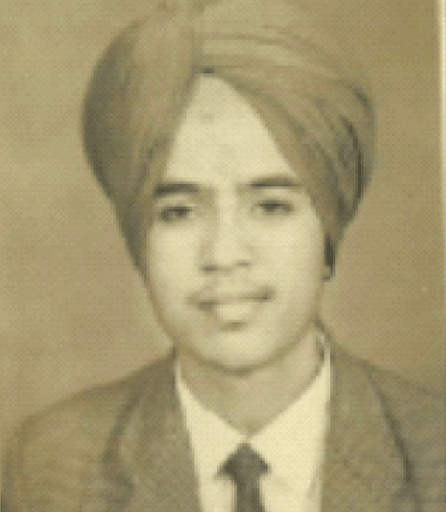
After passing Class 11, I decided to seek admission at Punjab Agricultural University, Ludhiana. I submitted my application and, in due course, received a letter inviting me for an interview. My cousin-brother, S. Jarnail Singh Dhaliwal, said to me, “Now that you are going to university, you must have a pair of trousers.” Until then, all of us students wore pyjamas to school. One day, he took me along to Barnala and had a white pair of trousers stitched for me by a tailor.
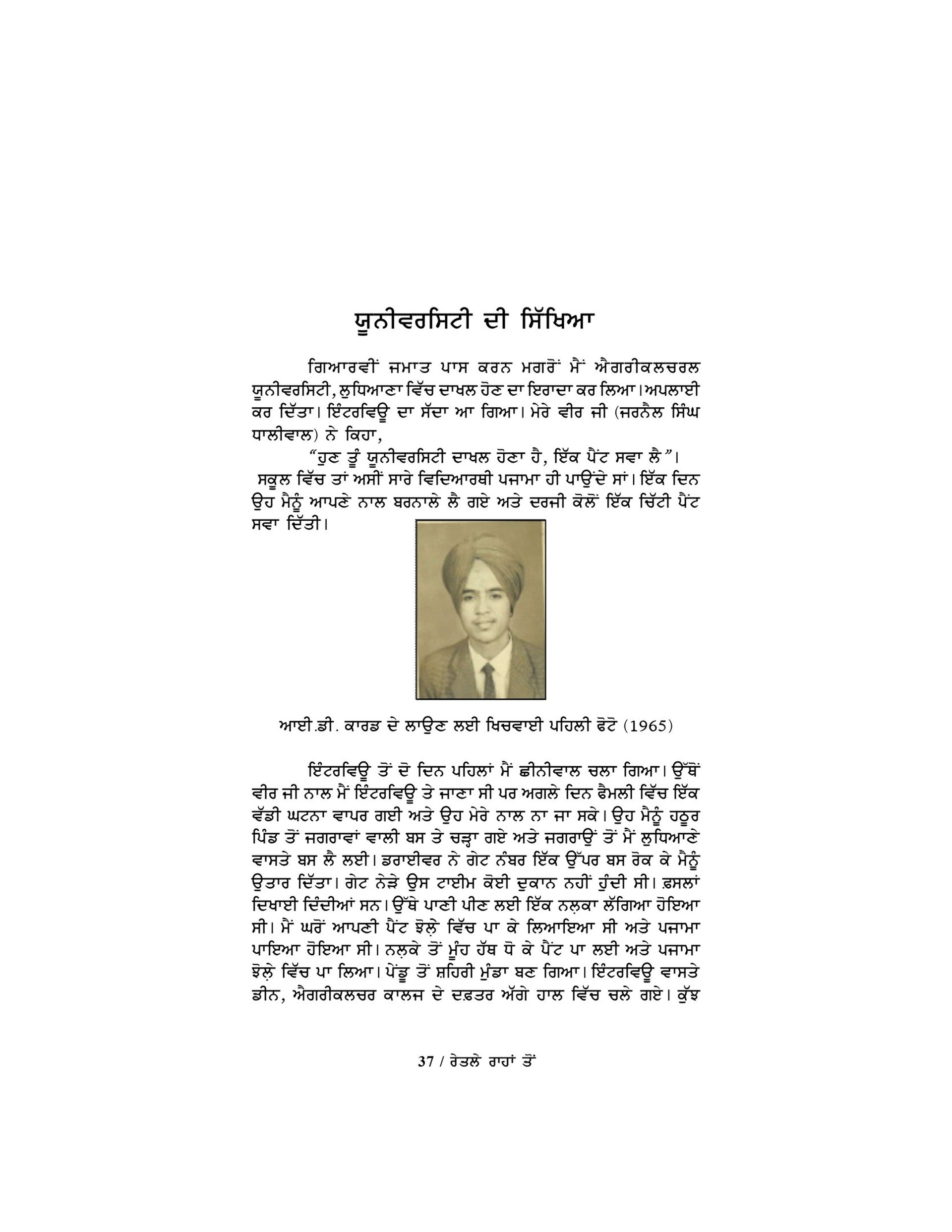
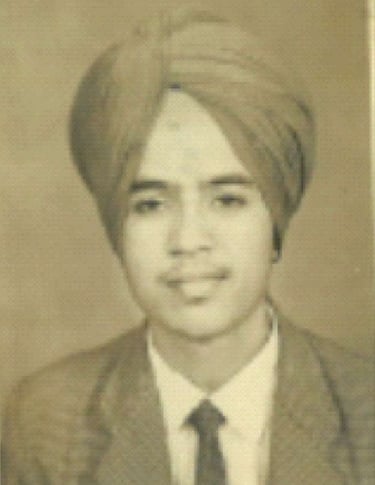
The first photograph taken for an identity card (1965)
Two days before the interview, I went to Chhiniwal. From there, I was supposed to travel with Veer Ji for the interview. However, the very next day, a major family emergency arose, and he could no longer accompany me. He put me on a bus from Hathur village to Jagraon, and from Jagraon I boarded another bus to Ludhiana. The driver dropped me near Gate No. 1 of the university.
In those days, there were no shops around the gate. Fields stretched out in every direction. Near the entrance stood a drinking-water hand pump. I had carried my new trousers in a cloth bag and was still dressed in my village pyjamas. At the hand pump , I washed my face and hands, changed into the trousers, folded the pyjamas neatly into the bag, and, at least in appearance, transformed from a village boy into a city gentleman.
From there, I walked to the hall opposite the Dean’s Office of the College of Agriculture, where the interviews were being held.
After waiting for some time, the interview process finally began. The first announcement was that all students who had scored more than 55% marks should proceed directly to deposit their fees, while the rest should remain seated. Hearing this, I stood up and joined the queue at the fee counter. After paying the fees, I returned to Gate No. 1 and drank water from the same hand pump. Then I took off my trousers, folded them carefully into my bag, and changed back into my pyjamas. In a moment, the city gentleman had once again become a village boy.
I caught a bus to Moga. From there, reaching my village was never easy. I either had to wait for the Raunta bus, which left the village in the morning and returned from Moga in the evening, or take a bus toward Samadh Bhai and then walk nearly ten kilometres home. In those days, however, walking such distances never felt particularly difficult.
At that time, very few households had ready cash. Even those who did usually had a family member in salaried employment. Most village transactions were carried out on credit or through commission agents (arhtiyas). The day I was to leave for admission, money was needed. My family loaded wheat onto a trolley and took it to Moga to sell through an arhtiya. Before the wheat was even sold, the agent handed over the required money and said, “You go and complete your work. I will settle accounts with them after the wheat is sold.” One memory from that journey has remained vivid in my mind. As I travelled from the village on a tractor, my family handed a basket filled with cow dung cakes to a woman who collected dung and asked her to walk ahead of the tractor. Curious, I gently asked her why. She replied, “It is considered a good omen for a traveller if a basket full of dung passes before him.” A little later I saw several women returning after dumping refuse and dung. Their baskets were now empty. Yet the moment they noticed us approaching, they removed those empty baskets from their heads. When I asked why, I was told that an empty basket crossing a traveller’s path was considered inauspicious. Therefore, they always lowered it until the traveller had passed. Today, education and changing times have weakened many such customs and superstitions. People have largely moved beyond them.
From the Moga bus stand, I boarded a bus for Ludhiana. My bedding roll and belongings were loaded onto the bus with me. The bus dropped me once again at Gate No. 1 of the university. In those days there were no rickshaws or local transport services waiting there. I lifted my bedding onto my head, slung my bag over my shoulder, and walked to the college.
Thus began my first trimester at the university.
I completed my registration and moved into Moonlight Hostel, which was reserved for first-year students. Four students were assigned to each room. The four boys from our section stayed together: Ajaib Singh Brar from village Langeana (Moga)
Ranjit Singh Brar from village Hariye Wala (Moga) Gulzar Singh Chahal from village Heron Khurd (Mansa) and myself
We chose a room on the ground floor for a particular reason. In 1965, there were no fans in the hostel. During the hot summer nights, we often carried our cots outside and slept in the open air. The hostel cots were made of woven bamboo strips with wooden frames and legs. Unfortunately, they were heavily infested with bedbugs. At night, these pests emerged from their hiding places and feasted until their bellies were full of blood. The itching they caused was unbearable. Many nights we scratched ourselves until midnight before finally managing to fall asleep. To get rid of them, students would place their cots under the blazing sun. Some bedbugs died, while others hid deep in the cracks and corners. By nightfall, the same battle would begin again. A few students even rented electric fans for two rupees a month.
The Agriculture stream was generally available only in rural schools. Admission to B.Sc. Agriculture was open only to students from the Agriculture, Medical, and Non-Medical streams. Our class consisted of 250 students, of whom only 50 came from the Agriculture stream. We had a separate section of our own. Because village schools lacked the facilities and academic environment available in cities, almost all of us—except one or two students—had passed with First Division marks.
At that time, the top twenty students in the class received a scholarship of Rs. 75 per month. During the first year, scholarships were awarded on the basis of Higher Secondary merit. Thereafter, they were awarded according to university performance.
In the first year, not a single student from our Agriculture section qualified for a scholarship. But a year later, when scholarships were awarded on the basis of first-year university results, nearly half of the twenty scholarships went to students from our section. I was one of the recipients.
From this experience, I learned an important lesson: Rural students are often mentally tougher and more resilient than their urban counterparts. They are not less capable; they simply do not receive the same educational opportunities and facilities that city children enjoy.
In the second year, our hostel accommodation changed, and we moved to Hostel No. 1. Except for Moonlight Hostel and Hostel No. 5, all other hostels housed B.Sc., M.Sc., and Ph.D. students together. There was one mess for undergraduate students and another for postgraduate students.
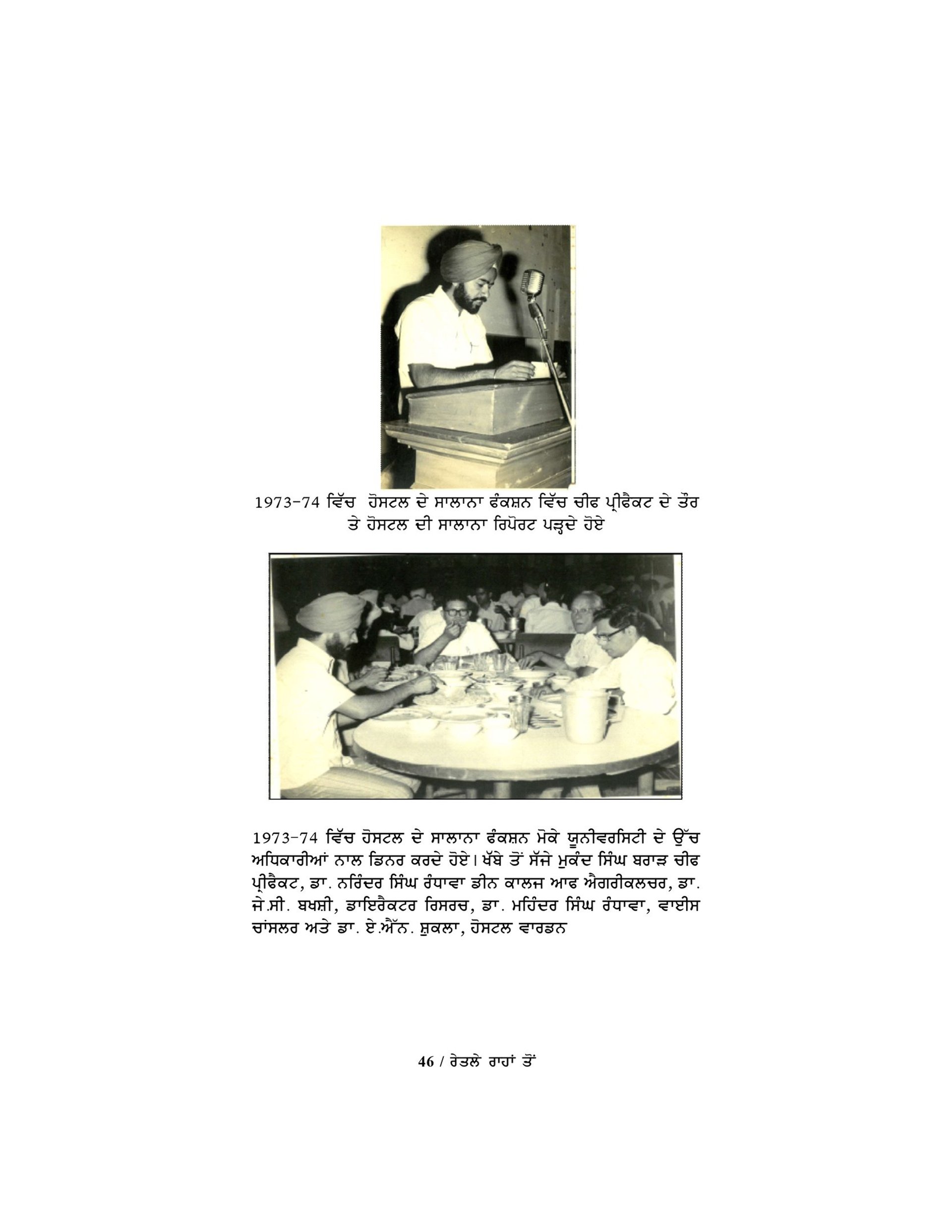
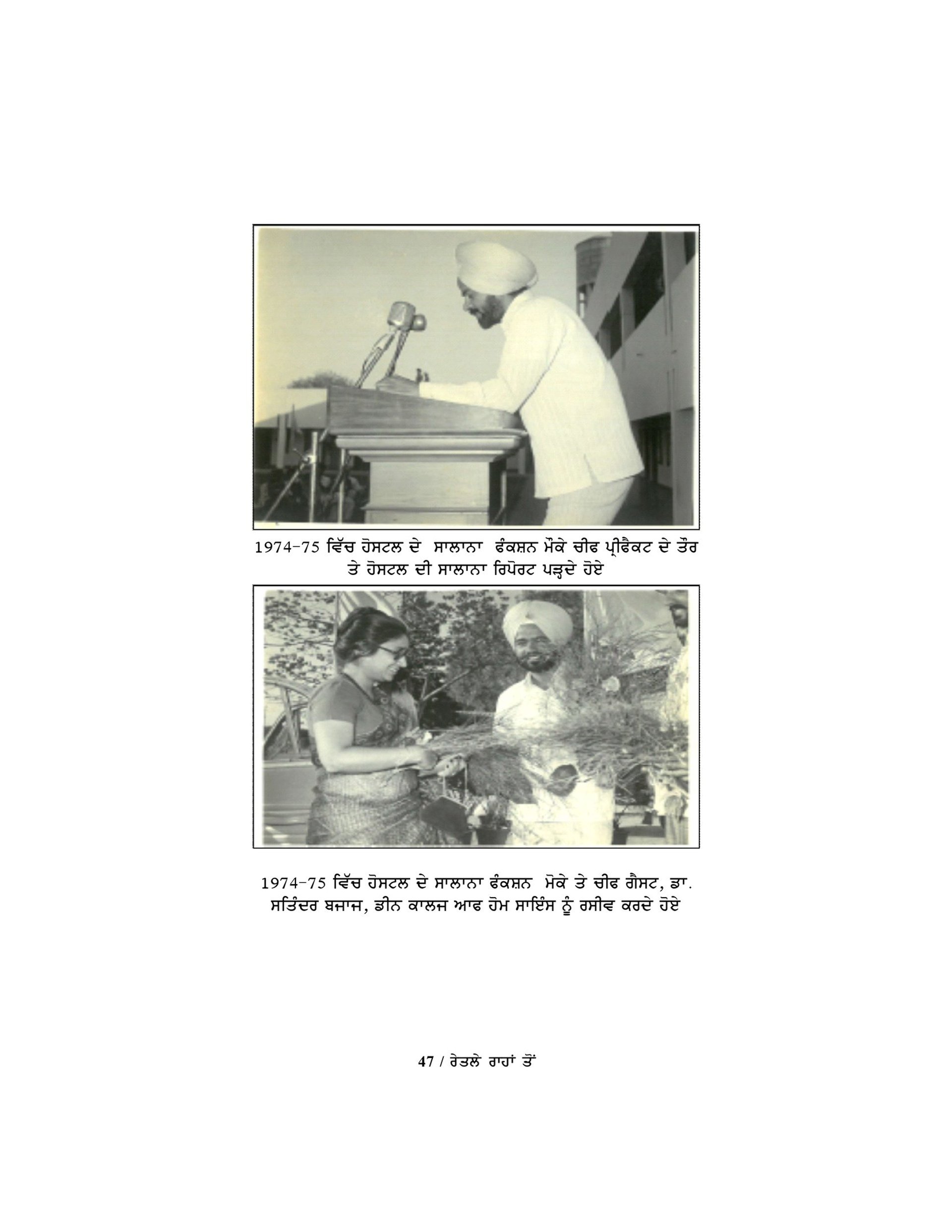
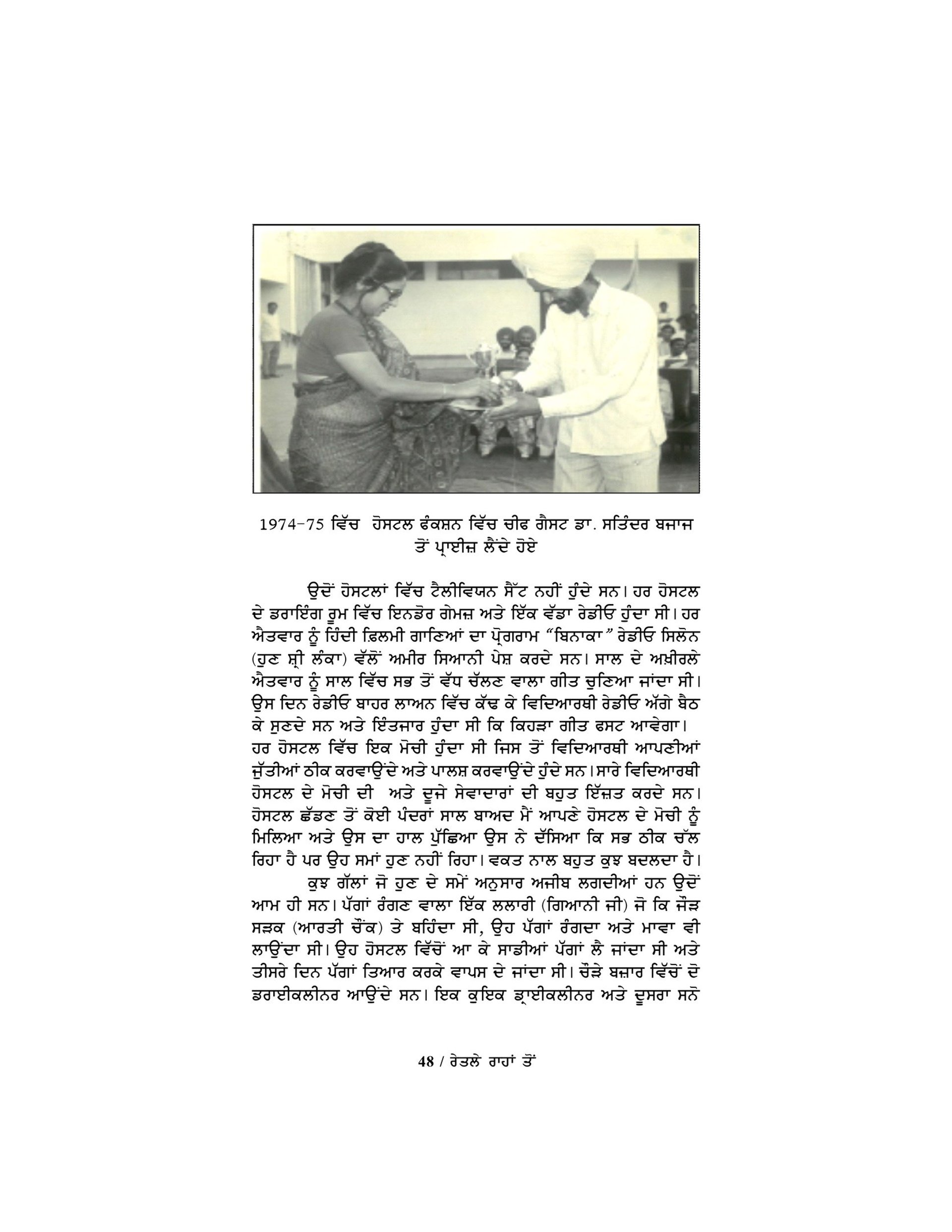
One remarkable feature of life at Punjab Agricultural University (PAU) was the complete absence of any divide between seniors and juniors. Junior students respected their seniors, and seniors treated juniors with equal respect. Another distinctive quality of PAU was that ragging simply did not exist. New students felt secure and welcome from the very beginning. I spent the next nine years in Hostel No. 1. For the first three years, I lived in a dormitory. In my fourth year, I was allotted a room of my own. By the time I completed my Ph.D., I had the opportunity to serve first as a Hostel Prefect and later as Chief Prefect.
After securing good marks in my B.Sc., I decided to pursue an M.Sc. I hoped to obtain a fellowship, and in 1969 I was admitted to the M.Sc. programme. I received a Research Fellowship of Rs. 150 per month from Indian Potash Limited, New Delhi. In those days, Rs. 150 was a substantial amount. It comfortably covered all my hostel expenses.
The fees at PAU were also considerably lower than those at most other universities.
Among students of my time, those with the highest merit generally opted for Soil Science or Plant Breeding, and competition for admission to both disciplines was intense. After careful consideration, I chose Soil Science.
Once my M.Sc. was completed, obtaining employment would have been relatively easy. However, I asked my father whether I should continue and pursue a Ph.D., since my academic record was strong and admission would not be difficult. He replied, “I do not know enough to advise you. You should seek your uncle’s guidance.”
My uncle, Dr. Amar Singh Dhaliwal, was among the most educated, sincere, and thoughtful individuals in our extended family. I went to him and explained my situation in detail. After listening carefully, he said: “Complete your Ph.D. first, and then step directly into a job.”
In those days, securing employment after earning a Ph.D. was not difficult at all.
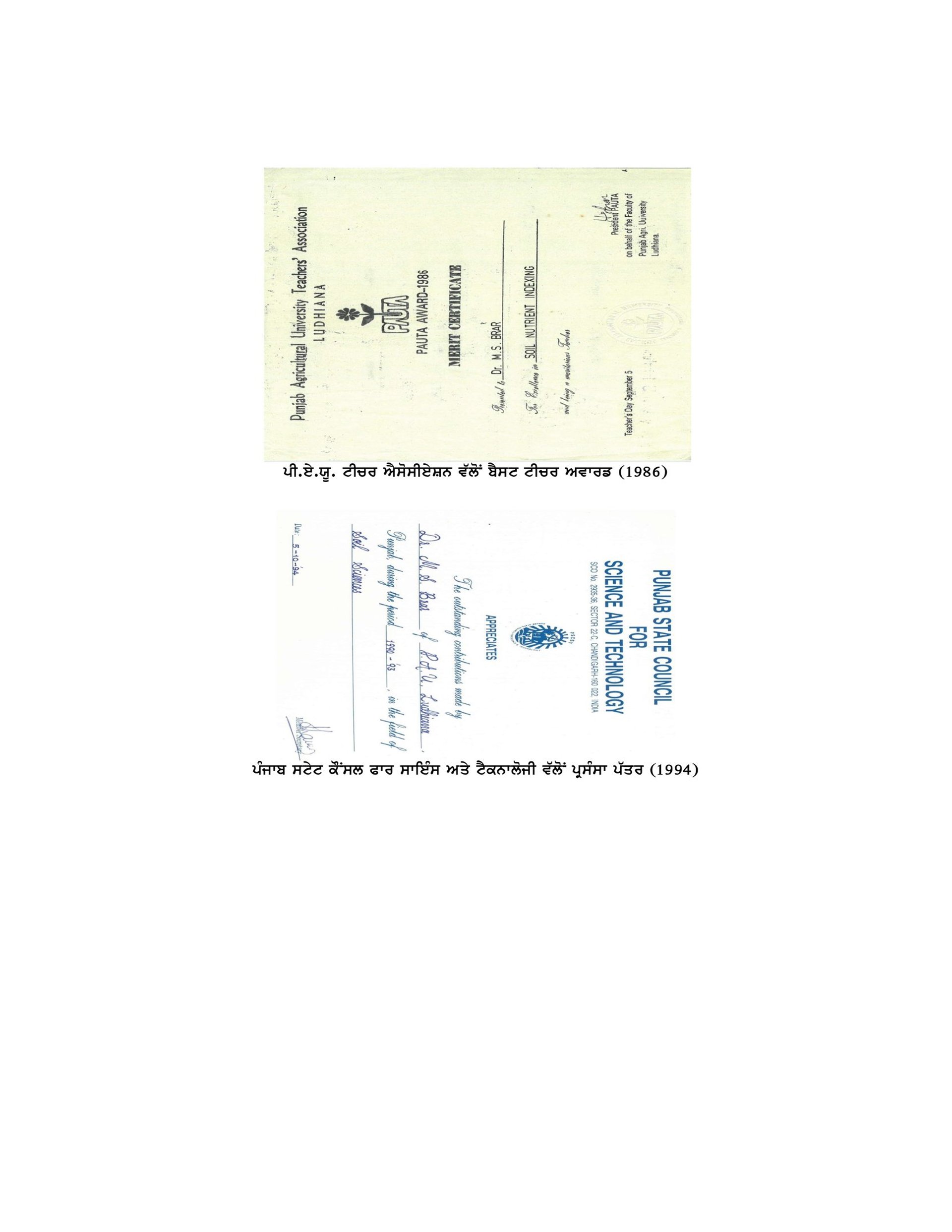
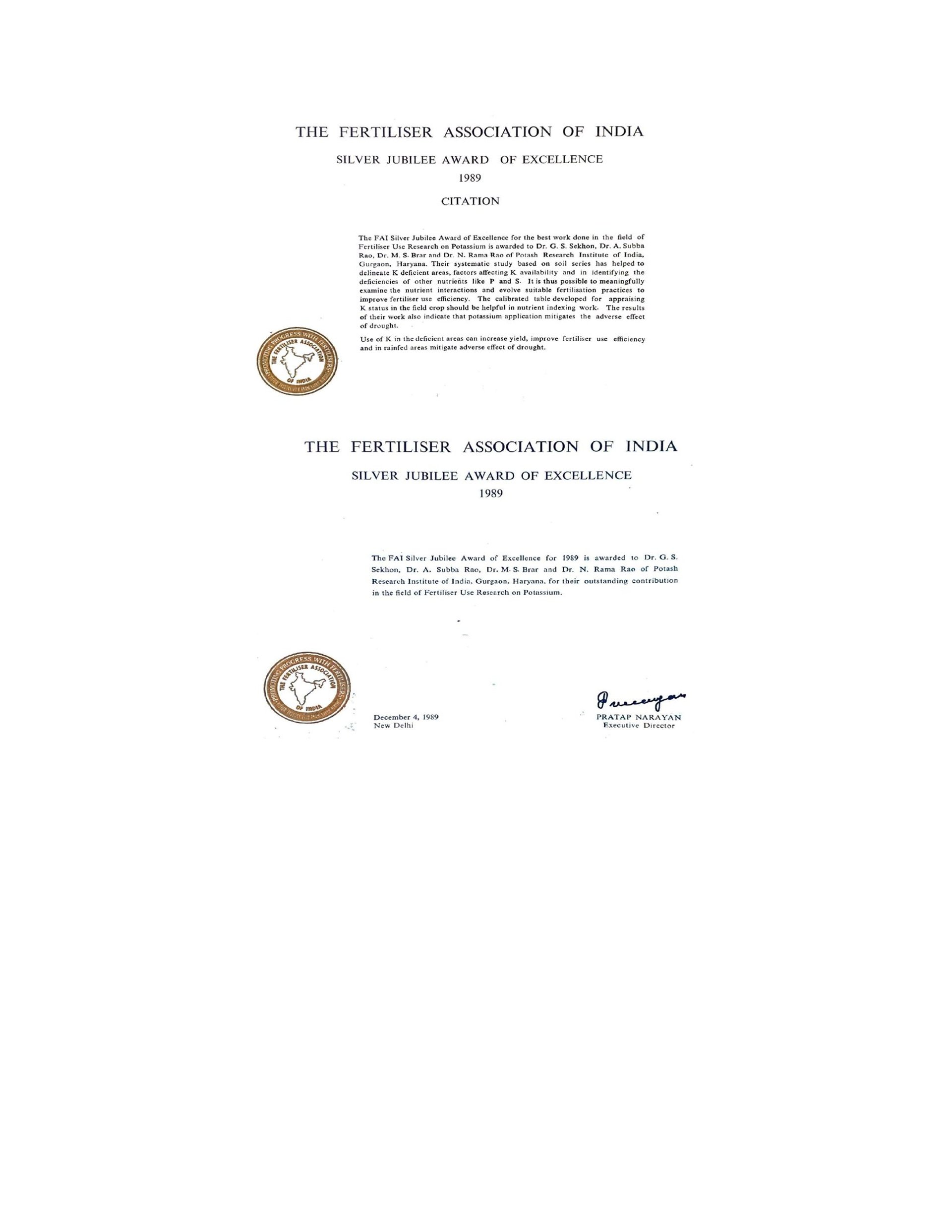
In 1971, I enrolled in the Ph.D. programme. My guide and advisor was Dr. Gurcharan Singh Sekhon, Professor of Soil Science. Dr. Sekhon had earned his Ph.D. from Iowa State University, USA. He was a scientist of the highest calibre. He was a Fellow of several prestigious institutions, including the Indian Society of Soil Science, the National Academy of Agricultural Sciences, and the Indian National Science Academy. He was also the recipient of the Rafi Ahmed Kidwai Memorial Award, one of the highest honours in Indian agriculture. Among the five branches of Soil Science, I chose Soil Fertility, Soil Chemistry, and Plant Nutrition as my field of specialization.
My first challenge was to secure a fellowship. Around that time, I came across an advertisement in a newspaper. It was issued by the Department of Atomic Energy, Government of India, through the Bhabha Atomic Research Centre (BARC), Bombay. The advertisement announced two doctoral fellowships in agriculture and one post-doctoral fellowship.
Since the competition was nationwide and only two doctoral fellowships were available, many of my fellow students decided not to apply. I submitted my application for the doctoral fellowship, while another student applied for the post-doctoral position.
Apart from the fellowship itself, another attraction for us was the opportunity to visit Bombay. The organization was providing second-class railway fare for candidates attending the interview. We thought that, regardless of the outcome, we would at least get a chance to see Bombay.
The competition appeared formidable. On the appointed date, we reserved seats in a second-class railway compartment from Ludhiana to Bombay and arrived a day before the interview. We attended the interview in a relaxed frame of mind. My turn came first. One of the experts on the panel, Dr. Mistry, began asking questions. Most of them were related to radioactivity. Fortunately, I had delivered a seminar on the same subject in our department some time earlier. I answered his questions with ease. He spent considerably more time with me than was customary. Afterward, he invited the other members of the panel to ask questions. Each of them asked one question, and then I was requested to step outside. I sat waiting in the corridor.
After a short while, Dr. Mistry came out. Seeing me seated there, he walked over, congratulated me, and moved on. For a moment I was surprised. Then I thought perhaps I had been selected. Yet, since I had nothing official in hand, I decided not to tell anyone.
About two weeks later, the formal appointment letter arrived. The fellowship carried a stipend of Rs. 350 per month.
The fellowship amounted to Rs. 350 per month, which was considered a substantial sum in those days. In addition, it included an adequate grant for purchasing books and other research equipment.
For the first time, I no longer had to worry about asking my family for money. Had I accepted a regular job at that time, I would have earned a total salary of about Rs. 450 per month in the Rs. 300–600 pay scale. In comparison, the fellowship offered excellent support and the freedom to focus entirely on my studies and research. Masar Ji’s advice proved absolutely right.
Following that path, I completed my Ph.D. in 1975 and, along with the degree, secured a position as an Assistant Professor.
The University Days